Table of Contents
ToggleGone are the days when bedroom furniture meant a rigid bed frame, a matching nightstand, and a dresser bolted into place. If you’re renovating a bedroom or building one from scratch, modular bedroom furniture offers something different: flexibility without sacrificing style. Whether your space is a cozy apartment bedroom or a sprawling master suite, modular pieces let you configure, reconfigure, and upgrade without the commitment of a permanent setup. This approach has gained momentum among homeowners who want to adapt their spaces as life changes, moving to a new home, growing a family, or simply wanting a fresh look without starting over.
Key Takeaways
- Modular bedroom furniture offers flexibility and adaptability, allowing you to reconfigure pieces as your life changes—whether moving, growing your family, or redesigning your space.
- Modular bedroom furniture maximizes space efficiency through vertical storage and freestanding components, making it ideal for small bedrooms and irregular layouts.
- Incremental investment in modular pieces is more cost-effective than buying complete bedroom sets, and individual components hold resale value better over time.
- Essential modular pieces include a platform bed with storage drawers, freestanding nightstands, stackable shelving units, a wardrobe system, and a wall-mounted desk for flexible home office setups.
- Modular designs respect modern rental living without requiring permanent wall anchors or damage, and pieces can evolve with your style by swapping finishes or reconfiguring sections.
What Is Modular Bedroom Furniture and Why It Matters
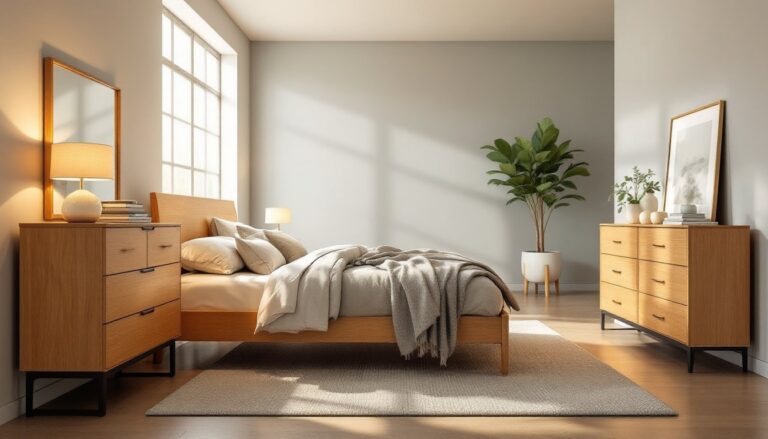
Modular bedroom furniture is a system of individual pieces designed to connect, stack, and combine in multiple configurations. Think of it like building blocks, a modular bed frame, freestanding shelving units, separate storage boxes, and nightstands that work independently or together. Unlike a bedroom set, where all pieces are locked into one design, modular components adapt to your needs.
The appeal is practical. If you move, the pieces come with you without requiring disassembly of structural joinery. If your bedroom layout changes, you rearrange components rather than hauling out old furniture and buying new. Kids grow up and need different storage: modular systems scale with them. A tall shelving unit in a child’s room can transform into adult workspace storage years later.
Modular design also respects the reality of modern living: spaces vary wildly in size and shape. A studio apartment bedroom isn’t the same footprint as a suburban master suite. Modular pieces fill irregular corners, work around windows and doors, and don’t force you to choose between style and functionality.
Key Benefits of Going Modular in Your Bedroom
Space Efficiency and Adaptability
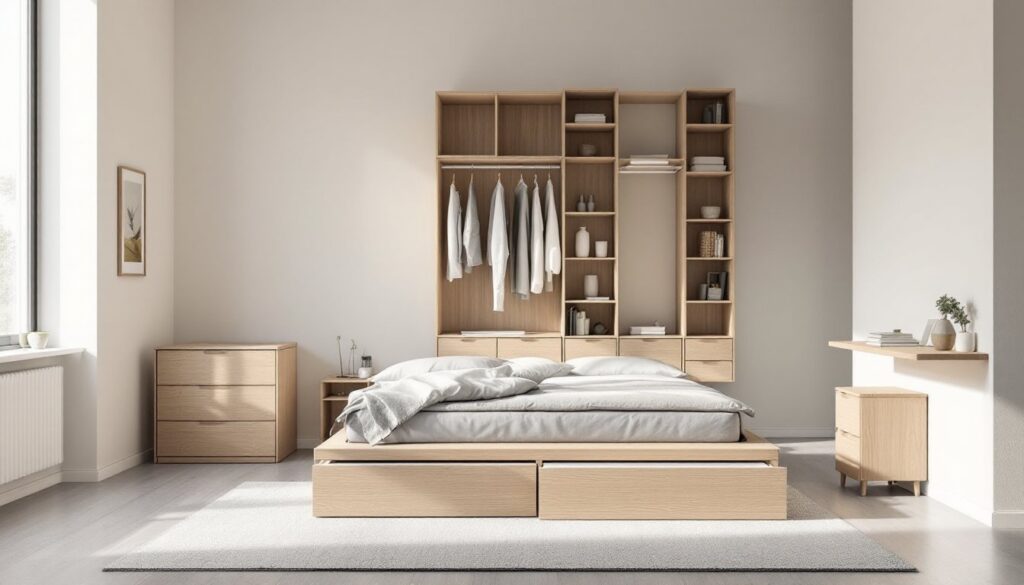
Small bedrooms demand intelligent design. Vertical storage, tall modular shelving, stacked storage boxes, wall-mounted components, pulls visual weight upward rather than spreading horizontally across the floor. A modular bed with built-in drawers underneath maximizes the footprint: a matching nightstand doesn’t need legs because it connects directly to the bed frame, freeing floor space for walking room.
Adaptability cuts deeper than just rearranging. If you’re renting, modular pieces respect security deposits, they don’t require wall anchors or permanent fastening. Renters also appreciate that modular systems look intentional and stylish, not temporary. When life demands a change (new job, relationship shift, space upgrade), your furniture evolves with you rather than becoming landfill.
Even in larger bedrooms, modularity prevents the common trap of oversized, immovable pieces. A modular wardrobe system means you add or subtract hanging sections, shelves, and drawers without tearing out fixed cabinetry.
Cost-Effectiveness and Long-Term Value
Buying a complete bedroom set upfront is expensive and locks you into a single aesthetic. Modular furniture lets you invest incrementally. Buy the bed frame and core storage now: add matching nightstands and additional shelving when budget allows. Quality modular pieces from makers like Woodley Furniture: Transform Your hold resale value because buyers recognize the flexibility and durability.
When children outgrow a bedroom layout or a design trend fades, you’re not stuck with unsaleable furniture. You reconfigure, swap finishes (many modular systems offer interchangeable panels), or sell individual pieces rather than an entire defunct set. Over ten years, this approach typically costs less than replacing a mismatched bedroom twice.
Essential Modular Pieces Every Bedroom Needs
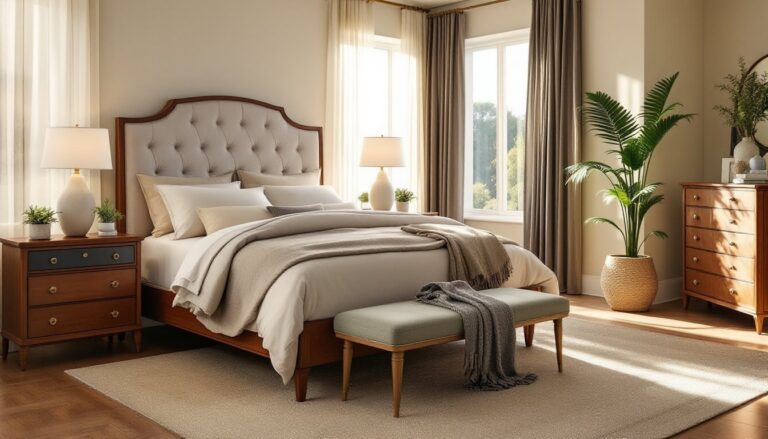
Start with the bed frame, the anchor of any bedroom. A modular platform bed in solid wood or composite material provides a foundation that supports a mattress without a box spring, freeing under-bed storage. Pair it with modular storage drawers that slide directly beneath, creating a unified base.
Next, add nightstands. Modular nightstands don’t attach to the bed: they’re freestanding or wall-mounted, giving you flexibility in height, finish, and positioning. A wall-mounted unit saves floor space in tight rooms and prevents stubbed toes.
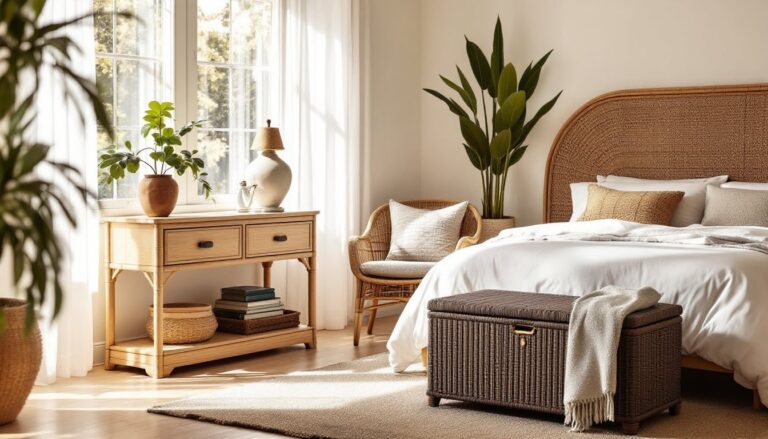
Storage is where modularity shines. A tall wardrobe or armoire (useful if your bedroom lacks a closet) breaks into individual sections, each can hang separately or align vertically. Shelving units stack or sit side-by-side: you build outward or upward based on wall space and ceiling height. Smaller modular boxes, baskets, and organizers fill irregular gaps and keep seasonal clothing or bedding accessible without clutter.
Consider a modular desk or workspace if your bedroom doubles as a home office. Compact, wall-mounted options disappear visually when not in use. Some modular systems integrate a desk directly into the bed frame or shelving unit, a space-saving move for cramped layouts.
Finally, add textile pieces: modular headboards that mount independently, letting you change fabric or finish without replacing the bed frame. These pieces feel intentional rather than an afterthought. Inspiration from sources like Design Milk and IKEA Hackers show how creative combinations of modular parts deliver custom-looking results on a standard budget.
Conclusion
Modular bedroom furniture isn’t a trend, it’s a practical response to how people actually live: mobile, changeable, and budget-conscious. By investing in pieces that adapt rather than sets that don’t, you’re building a bedroom that grows with you. Measure carefully, choose finishes thoughtfully, and prioritize function. Your future self will thank you when you move, redesign, or simply want to reclaim floor space without hauling bulky furniture to the curb.