Table of Contents
ToggleWhen you’re building a bedroom that actually supports good sleep and stands up to daily use, furniture choice matters more than you might think. Thomasville bedroom furniture has earned a reputation for blending classic design with solid construction, the kind of pieces that don’t just look good in a showroom but hold their own in real homes for years. Whether you’re furnishing a primary suite, a guest room, or updating a tired bedroom set, understanding what Thomasville offers helps you make smarter decisions about durability, style, and value. This guide walks you through their key collections, furniture essentials, and the practical steps to choose pieces that fit your space and budget.
Key Takeaways
- Thomasville bedroom furniture balances solid wood construction and quality hardware with mid-range pricing, making it a durable choice between budget and designer options.
- Measure your room’s dimensions, ceiling height, and existing layout before purchasing—a queen bed frame needs at least 12 feet of room width to feel comfortable with nightstands and traffic flow.
- Prioritize construction details like slat spacing (2–3 inches apart), ball-bearing drawer slides, and frame materials over aesthetic features alone when evaluating Thomasville pieces.
- Coordinate nightstand height with your mattress (typically 24–26 inches) and choose dressers with consistent design lines from the same collection to avoid clashing proportions.
- Request fabric and finish swatches before ordering upholstered headboards or painted pieces, as bedroom lighting and existing décor significantly affect how colors appear in your home.
- Allocate your budget proportionally: 40–50% for the bed, 25–30% for a dresser, 15–20% for nightstands, and the remainder for accessories.
What Makes Thomasville Bedroom Furniture Stand Out
Thomasville has been making furniture since 1921, and that long track record isn’t just history, it reflects a philosophy about what bedroom furniture should do. Their pieces typically prioritize solid wood construction, with mortise-and-tenon joinery on better lines rather than cheap particle-board assembly. Drawers run on quality hardware, and finishes are applied in multiple coats, which means less wear and finish degradation over time.
One key distinction: Thomasville separates itself in the mid-to-upper market range. You’re not paying designer prices, but you’re also not buying furniture that needs replacement after five years. Their upholstered beds often use 8-way hand-tied springs or high-density foam cores, construction details that affect how a mattress feels and how long the foundation lasts. When shopping, check the frame material (hardwood vs. plywood underlayment) and spring system type, these details matter more than fabric color.
Another practical advantage is consistency across collections. If you buy a bed, dresser, and nightstand from the same Thomasville line, they’re designed to work as a cohesive set without clashing proportions or finish tones. That’s not always true with mix-and-match pieces from different makers.
Key Furniture Pieces to Complete Your Bedroom
A complete bedroom typically starts with a bed frame, adds storage (dresser and nightstands), and may include benches or additional dressers depending on the space. Here’s what to prioritize and what to know about each category.
Bed Frames and Headboards
Bed frames from Thomasville range from simple platform styles to elaborate upholstered headboards. The practical choice depends on mattress support and aesthetic preference. A platform bed (solid slats across the frame) needs a standard box spring or foundation: an upholstered bed with a tufted or nailhead headboard creates visual interest but requires more dusting.
When evaluating a bed frame, look at the slat spacing (should be no more than 2–3 inches apart to prevent mattress sagging) and the headboard attachment method. A well-built headboard won’t rock or shift when you lean against it. Thomasville’s mid-range beds often use solid wood side rails with plywood panels, which is a sensible balance between durability and cost. Higher-end lines may use all-solid hardwood, which adds weight and long-term stability.
Headboard height also affects the overall feel of the room. A low headboard (36–42 inches) suits smaller rooms: a tall one (54–60+ inches) anchors a larger suite. Measure your ceiling height and the wall space behind your bed before ordering, a headboard that’s too tall can make a room feel cramped.
Dressers, Nightstands, and Storage Solutions
A dresser is often the biggest storage anchor in a bedroom and sets the visual tone for the space. Thomasville dressers typically come in two configurations: side-by-side drawers (more balanced, good access) or stacked drawers of varying depths (maximizes storage). Check drawer slides, ball-bearing side-mount hardware is quieter and lasts longer than center-mounted glides.
Nightstand height should be roughly level with the top of your mattress (usually 24–26 inches from floor to top). If your mattress sits very high (memory foam, thick pillow-top), measure before buying a standard nightstand: you may need something taller. Drawers on a nightstand should open fully and have a lip or stop to prevent them from falling out.
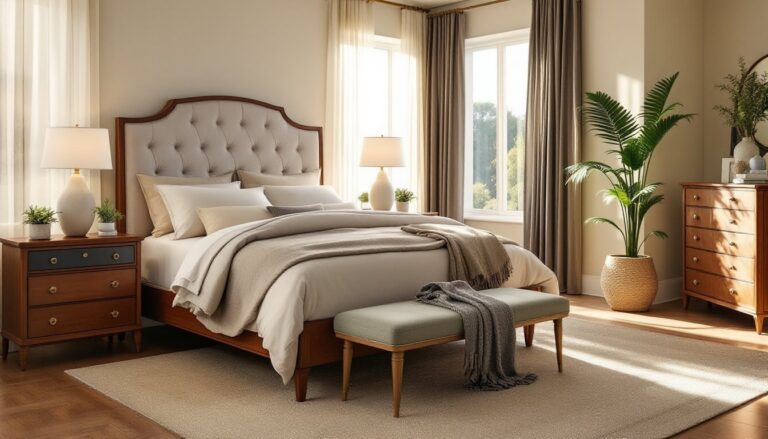
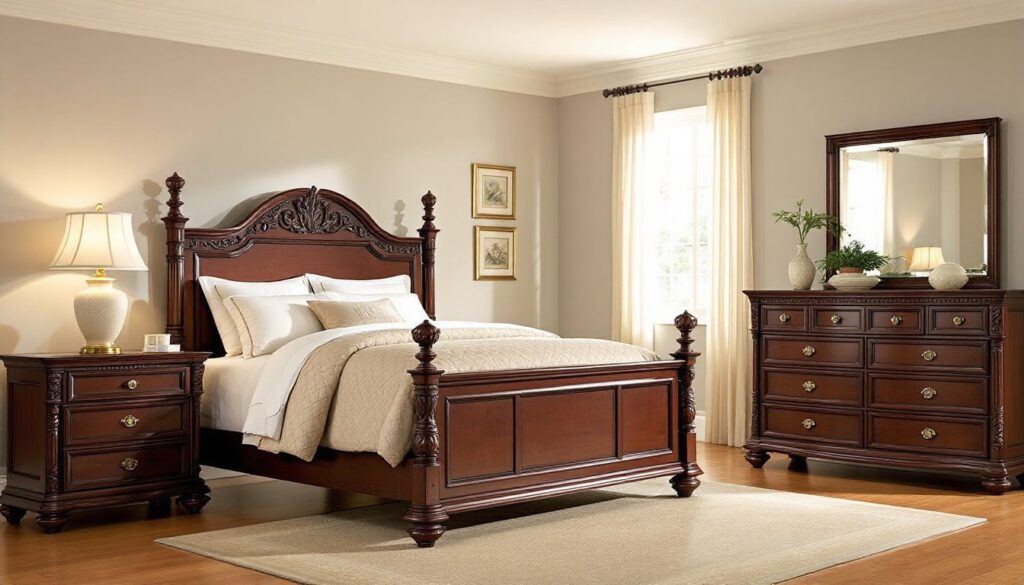
For storage-heavy rooms, Thomasville offers armoires and additional dressers in modular heights. These work well in bedrooms without closet space or to supplement small closets. The trade-off is floor space, a dresser takes up real estate, so measure your room and plan traffic flow before committing to a large piece. Traditional bedroom photos showcase how Thomasville pieces fit together in real layouts.
Design Styles and Collections Available
Thomasville has several collections spanning different design aesthetics. Traditional and transitional styles remain the core of their lineup, think solid wood frames, turned legs, and timeless finishes like dark cherry, espresso, and natural oak. These pieces work in both formal and relaxed settings because they don’t scream one specific era.
Contemporary collections lean toward clean lines, metal accents, and modern upholstery fabrics. These tend to use sleeker profiles and minimal ornamentation, which suits smaller bedrooms or open-plan homes where the bedroom shares visual space with living areas.
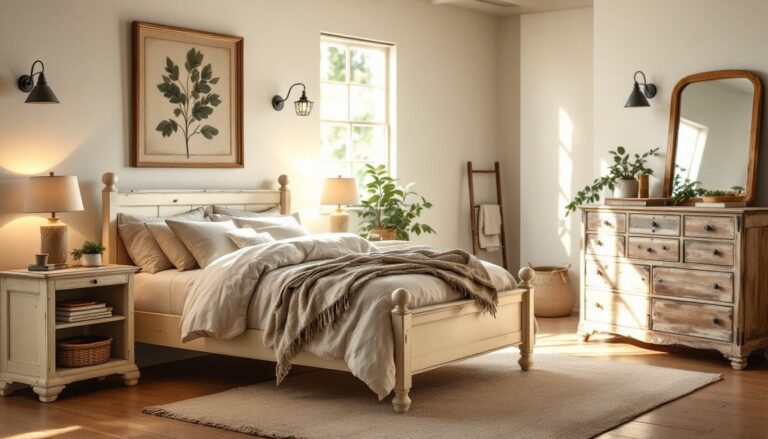
Rustic and farmhouse-inspired lines are also available, featuring reclaimed-look finishes and simpler joinery that emphasizes wood character over polish. These appeal to homeowners who want that lived-in, collected-over-time aesthetic without actually sourcing barn wood and restoring it.
When browsing collections, understand the finish options. A dark walnut finish on oak or hickory wood gives a different character than actual walnut, and it costs less. Paint finishes (white, cream, sage) on upholstered pieces or painted wood suits cottage or farmhouse aesthetics. Each finish requires different care: dark stains show dust and fingerprints: light paints show dust differently but can chip more easily. Consider your household traffic (kids, pets) and cleaning habits before settling on a finish.
Research by luxury interior design publications often highlights how mid-market furniture lines like Thomasville hold their own in curated settings when the right style and finish are selected.
How to Choose the Right Pieces for Your Space
Buying bedroom furniture without a plan often leads to mismatched proportions or pieces that don’t fit the room. Start with measurements: length and width of the room, ceiling height, window placement, closet doors, and any existing pieces you’re keeping. Sketch the layout on paper or use a floor-plan app, it takes five minutes and prevents the frustration of having a bed arrive only to discover it blocks the door swing.
Measure twice. Furniture companies measure finished dimensions from edge to edge. A queen bed frame (quilted headboard) might be 64 inches wide on the frame alone, but add a 6-inch margin on each side for making the bed and accessing nightstands. Your bedroom needs to be at least 12 feet wide to feel comfortable with a queen and flanking furniture.
Consider your color palette and existing décor. If you have hardwood floors and warm-toned walls, a Thomasville piece in cherry or golden oak will harmonize. If your walls are cool gray and your aesthetic is minimalist, a contemporary espresso or painted white piece fits better. Many retailers offer fabric or finish swatches, request them before ordering, especially for upholstered headboards. Your bedroom lighting will shift how a finish reads in person vs. on a screen.
Budget proportionally. The bed is typically 40–50% of a bedroom furniture budget because it’s the focal point and high-use piece. Allocate the rest to a dresser (25–30%), nightstands (15–20%), and additional pieces or accessories (5–10%). This doesn’t mean every piece must be from Thomasville, you can mix a Thomasville bed with other brands’ nightstands if they coordinate in style and finish.
Final tip: delivery and assembly matter. Thomasville furniture is often shipped flat-pack for storage and transport. Ask whether your retailer offers white-glove delivery (they assemble and position) or if you’re handling assembly. Bed frame assembly is usually straightforward with basic tools: dresser drawer assembly is more tedious and time-intensive. Many homeowners find the fee for assembly service is worth the saved weekend hours. Home design inspiration sources often document bedroom setups that showcase how thoughtful furniture selection and layout create spaces that function well.
Conclusion
Thomasville bedroom furniture offers a middle ground: better construction and design than mass-market big-box options, without the premium price tag of designer exclusives. The key is choosing pieces that fit your room’s dimensions, match your aesthetic, and address your actual storage and sleep needs. Take time with measurements, finishes, and collection themes before ordering. The result is a bedroom that’s both functional and visually cohesive, the kind of space that supports good sleep and stands up to years of use without regret.