Table of Contents
ToggleFurnishing a kid’s bedroom isn’t just about picking cute pieces, it’s about creating a space that withstands daily wear, grows with your child, and actually functions. Whether you’re outfitting a toddler’s first bedroom or refreshing a tween’s space, the right kids bedroom furniture sets the foundation for everything else. This guide covers how to choose durable, age-appropriate pieces that balance safety, style, and budget without very costly.
Key Takeaways
- Quality kids bedroom furniture with solid wood construction and reinforced joints withstands daily wear and lasts years longer than cheaper alternatives, making it a smart long-term investment.
- Choose neutral, timeless designs like Scandinavian or mid-century modern styles for kids bedroom furniture that adapt as your child grows, avoiding expensive replacements every few years.
- Always anchor tall dressers and storage units to wall studs using rated brackets, ensure proper bed rail spacing (no more than 2.75 inches apart), and complete all assembly steps fully to prevent tip-over and safety hazards.
- Invest in quality beds and main storage pieces while choosing budget-friendly options for items kids will outgrow quickly, such as small desks or shelving from retailers like IKEA.
- Verify that kids bedroom furniture carries low-VOC certifications or Greenguard labels and features lead-free, water-resistant finishes to protect against harmful off-gassing and chemical exposure.
Why Quality Furniture Matters for Kids’ Rooms
Kids are tough on furniture. They jump on beds, yank open drawers, and drag toys across surfaces daily. Cheap construction fails fast, a wobbly desk or a bed frame with gaps becomes a safety hazard or a frustration you’ll replace within months.
Quality kids bedroom furniture absorbs this punishment. Solid wood joinery (mortise-and-tenon joints hold better than staples), reinforced corners, and finishes rated for high-contact areas last years instead of seasons. A well-built bed frame won’t develop squeaks or wobbles: a sturdy dresser won’t tip when a curious child climbs or hangs from a drawer.
Beyond durability, quality furniture grows with your child. A simple childs bedroom furniture piece in neutral tones works from toddler years through tweenhood. You avoid the cycle of replacing everything when tastes shift. Investing upfront in solid construction and timeless design saves money and hassle long-term.
Essential Furniture Pieces Every Kids Bedroom Needs
Beds and Sleep Solutions
The bed is the anchor. For toddler bedroom furniture, start with a toddler bed (about 28 inches wide, 52 inches long), smaller than a twin and closer to the floor for safety. Once your child reaches age 2.5 to 3, a twin bed (38 x 75 inches) becomes standard and works through the teen years. Full beds (54 x 75 inches) suit older kids who like extra space.
Material matters: solid wood (hardwood or quality plywood) beats particleboard. Check that the bed frame is rated for the expected weight. Rails and slats should be spaced no more than 2.75 inches apart to meet safety standards for younger kids. For a simple DIY build, Ana White offers tested children’s furniture plans that walk you through a sturdy frame without specialized tools.
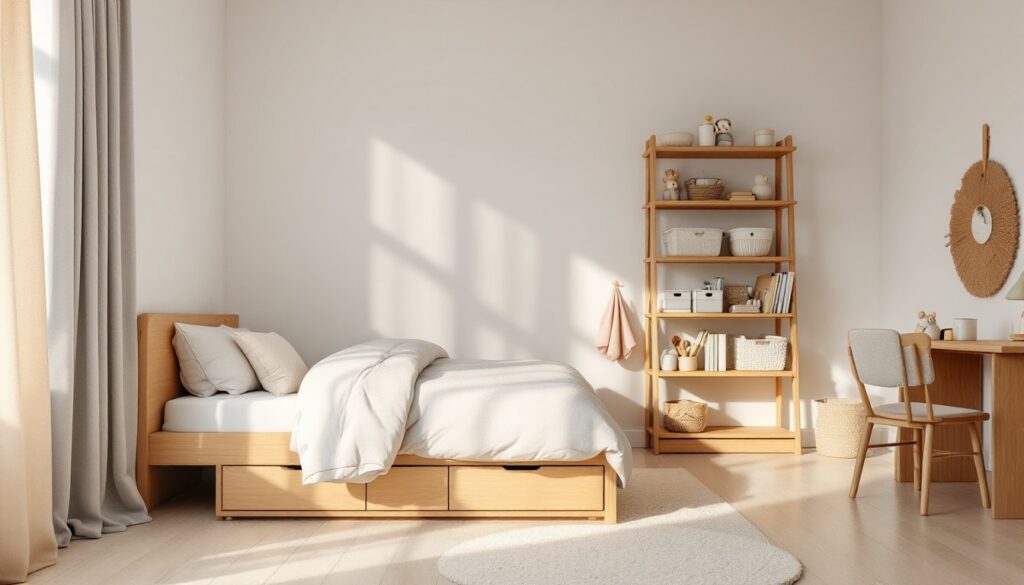
Storage beds are worth the investment, drawers beneath the mattress capture unused space. Bunk beds work in shared rooms but require additional safety hardware and careful assembly: follow the manufacturer’s weight limits strictly, and anchor the top bunk to the wall studs.
Storage and Organization
Dressers, cubbies, and toy shelves keep the chaos contained. A four-drawer dresser (usually 36 to 40 inches wide) handles clothes for one child. Open shelving works for younger kids but shows clutter: closed storage hides mess and grows with them. Boys bedroom furniture and girls bedroom furniture both benefit from modular units that adapt as needs change.
Remember: dressers and tall storage units must be anchored to the wall to prevent tip-over. This isn’t optional. Use L-brackets or wall anchors rated for the furniture weight plus the expected load inside. Check that drawers have stops so they don’t pull completely out. Youth bedroom furniture pieces often skip these details, add them yourself or choose brands that include them from the start.
Selecting Safe, Age-Appropriate Furniture
Age matters. Toddler bedroom furniture must be lower to the ground, with no sharp corners or pinch points. Beds for younger kids should have guardrails on both sides: stairs to bunk beds need solid rails. Avoid headboards or footboards with gaps larger than 3.5 inches where a child’s head could wedge.
Hardware and finishes must be non-toxic. Look for furniture labeled as low-VOC (volatile organic compounds) or certified by the Greenguard program, which tests for harmful off-gassing. Finishes should be lead-free and water-resistant. Avoid furniture with breakable decorative elements at a child’s eye level.
Weakness in assembly is a real hazard. Many furniture-related injuries come from poorly assembled units. Use all included hardware, don’t skip steps in instructions, and if you’re uneasy, ask a second pair of hands to help. Furniture for kids often requires wall anchoring or cross-bracing: this isn’t cosmetic, do it. Youth bedroom furniture and kids furniture bedroom pieces rated for weight distribution should always specify assembly requirements in the manual.
Design Styles That Grow With Your Child
Avoid trendy character-themed sets. Your child outgrows them in two years, and you’re back to replacing everything. Neutral, well-made bedroom furniture for kids, natural wood tones, soft whites, or muted colors, stays relevant as tastes mature.
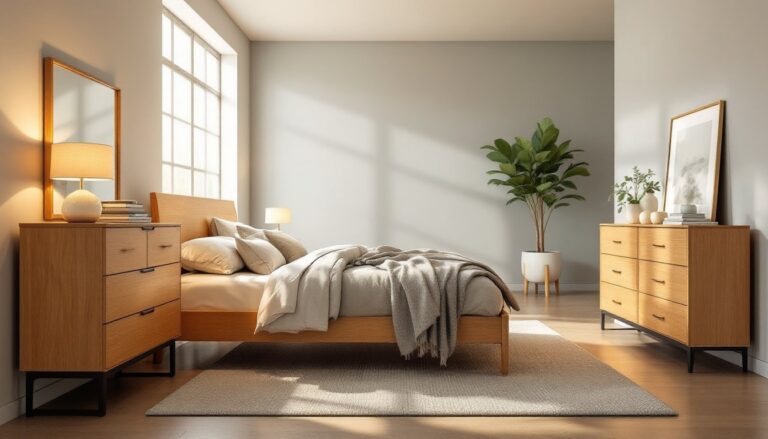
Choose a style that scales. Scandinavian-inspired designs (clean lines, light finishes, natural materials) work from age 3 to 16. Mid-century modern pieces (tapered legs, simple geometry) also age gracefully. Victorian or farmhouse styles can feel juvenile one year and sophisticated the next depending on accessories.
Mix pieces thoughtfully. You don’t need a matching bedroom furniture sets. Pairing a solid wood bed with an open shelving unit from a different source often looks more intentional than a boxed set. This approach also lets you replace one piece without overhauling the whole room. West Elm Kids Furniture and similar retailers offer modular options where you build exactly what fits your space and budget.
Budget-Friendly Tips for Furnishing Kids Bedrooms
Start with essentials: a bed and basic storage. Everything else is layered in. A quality kids bed and dresser, even if purchased separately from different retailers, costs far less than a matching set and looks better.
Consider IKEA or budget retailers for pieces your child will outgrow fast (small desks, shelving). Invest in quality for items that stay: the bed frame, mattress, and main dresser. This splits the difference between durability and cost. If you’re handy, IKEA Hackers offers creative modifications that elevate basic pieces into custom-looking furniture with minimal tools and expense.
Second-hand furniture works if you inspect it carefully. Avoid anything with loose joints, peeling finishes, or chemical odors (sign of off-gassing). Sand and refinish wood if needed. For a beginner woodworking approach to kids bedroom furniture, The Handyman’s Daughter provides step-by-step tutorials on building simple frames and shelves.
Don’t overspend on decorative accessories. Paint a wall an accent color, add some wall art, and rotate soft furnishings seasonally. Childs bedroom furniture itself should be the splurge: bedding and decor come later and change cheaply.