Table of Contents
ToggleIf you’re ready to transform your outdoor space into a functional, inviting area, Origin 21 patio furniture offers a practical starting point for homeowners seeking durable pieces that balance style with everyday usability. Whether you’re furnishing a small balcony, a sprawling deck, or a backyard entertaining area, Origin 21’s range of collections spans traditional to contemporary aesthetics, making it easy to find pieces that match your home’s existing design. This guide walks you through what Origin 21 offers, how to evaluate quality and durability, and how to maintain your investment so it holds up through seasons of use.
Key Takeaways
- Origin 21 patio furniture provides mid-range, durable outdoor seating and dining options with aluminum frames and performance fabrics designed for UV and moisture resistance.
- Collections range from modern minimalist to traditional transitional styles, with standardized sizing that allows you to mix, match, and replace individual pieces without buying complete sets.
- Proper maintenance—including seasonal cushion storage, regular cleaning, and annual hardware inspection—extends Origin 21 furniture lifespan to 5–7 years in dry climates or 3–5 years in moderate conditions.
- Direct sun exposure, salt spray in coastal areas, and high humidity accelerate wear, so shade structures and consistent rinsing significantly extend your investment’s durability.
- Before purchasing Origin 21 patio furniture, measure your space carefully, assess your maintenance tolerance, and confirm replacement cushion covers and frame pieces are available for long-term upkeep.
What Is Origin 21 Patio Furniture?
Origin 21 is a patio and outdoor furniture brand positioned as an accessible, mid-range option for homeowners looking to furnish outdoor living spaces without premium pricing. The line encompasses seating, dining sets, loungers, and conversation pieces made from materials engineered for outdoor exposure, typically aluminum frames, resin wicker, and performance fabrics rated for UV and moisture resistance.
The brand focuses on functional designs that don’t require a designer’s eye to assemble or place. Most pieces arrive flat-packed or partially assembled, and hardware is straightforward stainless steel or galvanized fasteners. Origin 21 isn’t a custom-order brand: instead, it offers standard sizing (like 32-inch dining heights, 18-inch seat depths, and 36-inch ottomans) that simplifies replacement or adding matching pieces later. This standardization matters if you’re building a collection incrementally or need to swap out a single chair without re-buying an entire set.
Key Collections and Style Options
Origin 21 organizes its offerings into distinct collections, each targeting a different aesthetic and use case. Understanding these categories helps you pick pieces that genuinely fit your space and maintenance tolerance.
Modern and Contemporary Designs
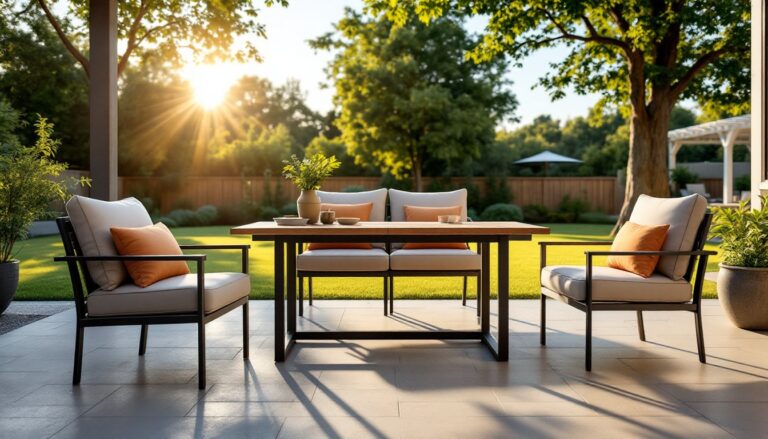
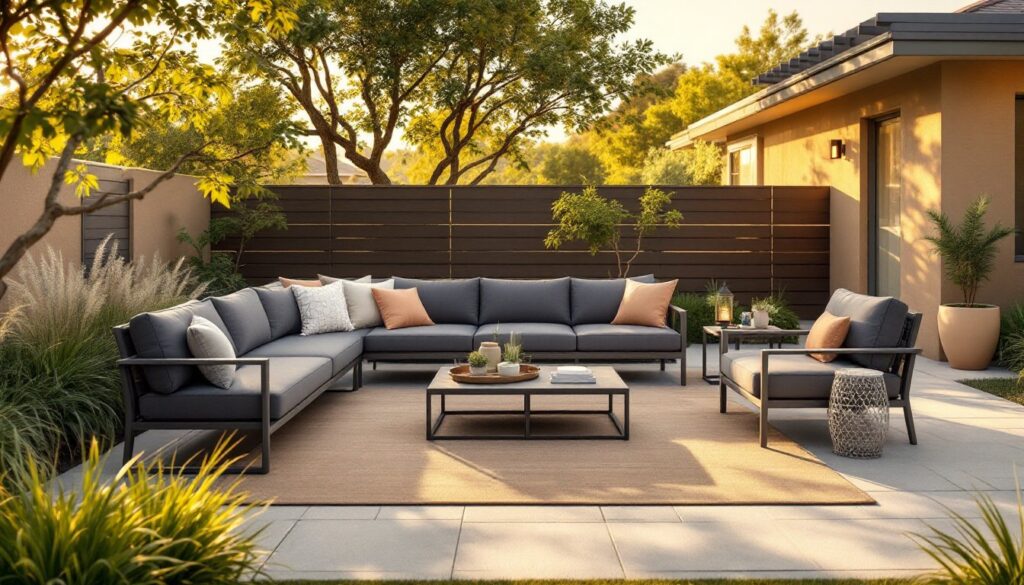
Origin 21’s modern collections emphasize clean lines, minimal ornament, and neutral color palettes, grays, blacks, taupes, and whites dominate. These pieces use slim aluminum profiles, often in matte or powder-coated finishes, paired with tight-weave resin wicker or performance fabric cushions. Sightlines remain open, which visually enlarges smaller patios and creates an uncluttered feel.
Modern conversation sets typically feature lower seat heights (around 16 inches) and deeper seats (20+ inches), prioritizing relaxation over formal entertaining. If your home leans mid-century modern, contemporary farmhouse, or minimalist, these collections integrate seamlessly. Cushions often come in performance fabrics, Sunbrella or similar brands that resist fading and shed water, making them practical for climates with afternoon sun or frequent rainfall.
Traditional and Transitional Styles
Traditional Origin 21 pieces incorporate curved frames, decorative scrollwork, and turned legs that echo wrought iron or cast aluminum furniture popular in cottage and Southern design vocabularies. These collections lean toward warm bronze, oil-rubbed bronze, or antique finishes rather than polished metals. Cushion patterns often feature florals, geometrics, or damask prints in earth tones.
Transitional styles, a middle ground between modern and traditional, combine simpler frames with modest detailing. A transitional set might feature aluminum frames with subtle curves and solid-color performance cushions, striking a balance for homeowners who prefer classic proportion without heavy ornamentation. These collections work well in established neighborhoods where a nod to regional architecture feels appropriate. Designers often recommend transitional pieces for homes that might resell, as they appeal to broader buyer preferences than ultra-modern or heavily ornate styles.
Material Quality and Durability
Origin 21 uses three primary frame materials, each with distinct trade-offs.
Aluminum frames are the standard across most collections. Aluminum resists rust, weighs less than steel (useful for rearranging pieces), and accepts powder-coating finishes readily. A typical frame gauge runs 1.5mm to 2mm thick: thicker stock holds up better to weight cycling (sitting, standing, adjusting) over years. Joints are typically welded or bolted with stainless steel hardware. Check whether frame welds appear smooth and consistent, rough welds can catch fabric or signal inconsistent manufacturing.
Resin wicker, used for armrests, backrests, and side panels, mimics the look of natural wicker but resists moisture, sun fading, and mold far better. Origin 21 typically uses hand-woven or machine-woven resin wicker over aluminum frames. Higher-quality wicker features tighter weaves, smaller strand diameter (making patterns crisper), and UV-stabilized resin that won’t yellow or become brittle after 2–3 seasons of sun. Cheaper wicker can loosen over time, especially if fasteners aren’t stainless steel.
Cushion fabrics vary by collection. Performance fabrics, Sunbrella, Pacifica, or similar solution-dyed acrylic blends, offer superior UV resistance and water repellency compared to standard outdoor fabric. These textiles maintain color and structural integrity for 5+ years with basic care. Origin 21’s budget lines sometimes use lower-grade performance blends that fade faster or absorb moisture in high-humidity regions. Cushion fill is typically recycled polyurethane foam or polyester, both rated for outdoor use, though density affects comfort. Denser foam (3–5 lb. per cubic foot) resists body imprint better and lasts longer than lighter fills.
Expect Origin 21 pieces to last 3–5 years in moderate climates with seasonal maintenance, and 5–7 years in dry climates with consistent care. Coastal or humid subtropical regions may see faster deterioration of finishes and fabrics: Southern Living patio design guides often address regional challenges in outdoor furniture placement and maintenance for these climates.
Choosing the Right Origin 21 Pieces for Your Space
Before selecting specific pieces, measure your space carefully and honestly assess how you’ll use it.
Size and layout: A dining set demands at least 36 inches of clearance around the table perimeter for chair pull-out and foot traffic. Conversation groupings need 3–4 feet of open floor space in the center so people can talk comfortably without shouting. If you’re furnishing a 10×12 patio, a large sectional and dining set won’t coexist well: prioritize one function or split the space intentionally.
Exposure: Direct afternoon sun in desert or mountain climates fades cushions and heats metal frames rapidly, darker colors show wear faster. Shade structures (pergolas, trees, or umbrellas) extend cushion life dramatically. Gardenista’s outdoor living guides include strategies for integrating plants and structures that moderate sun exposure while maintaining sightlines.
Maintenance tolerance: Performance fabrics shed water but still need occasional cleaning. Resin wicker collects dust and pollen in tight weaves. Aluminum frames corrode slightly in coastal salt spray, requiring periodic rinsing. If you’re unwilling to hose down furniture twice a season, choose collections with minimal wicker and tight-fitting cushions that shed debris easily.
Anchoring: In windy regions, lightweight aluminum pieces can shift or tip if not weighted down. Consider whether your patio has low walls, railings, or built structures that naturally shelter seating, or if you’ll need to use furniture anchors or weights to prevent movement during storms.
Flexibility: Origin 21’s standardized sizing means you can mix and match within a collection or buy individual replacement pieces. If you envision expanding your setup later, this modularity is valuable, you won’t be locked into a complete set design.
Maintenance and Care Tips
Proper maintenance extends Origin 21 furniture life significantly and keeps pieces looking intentional rather than weathered.
Seasonal opening and closing: If you live in a four-season climate, store cushions indoors during off-season months. Frames can stay outside (aluminum doesn’t rust), but UV exposure and freeze-thaw cycles degrade finishes and fasteners. Use a patio furniture cover (breathable fabric, not plastic, which traps moisture) if storing frames outdoors. In coastal regions, rinse frames with fresh water monthly during warm months to remove salt spray.
Cleaning cushions and fabric: Vacuum or brush loose debris regularly, at least monthly. For stains, spray with a mixture of mild dish soap and water, scrub gently with a soft brush, and rinse thoroughly. For mold or mildew (common in humid climates), use a diluted bleach solution on Sunbrella or solution-dyed fabrics, follow fabric manufacturer guidance. Air-dry cushions completely before use to prevent mold recurrence.
Frame and wicker care: Hose down resin wicker with low-pressure water to dislodge dust. For stubborn buildup, use a soft-bristle brush and soapy water. Wicker can yellow if heavily exposed to direct sun and salt spray: periodic brightening washes with diluted white vinegar slow discoloration. Aluminum frames rarely need more than a rinse, but if corrosion spots appear (white or gray powder), scrub with fine steel wool and a thin coat of marine wax protects the finish.
Hardware inspection: Check bolts, screws, and welds annually. Tighten loose fasteners with the appropriate wrench or hex key before pieces develop play or wobble. If stainless steel bolts corrode (possible in coastal zones), replace with new stainless hardware, it’s inexpensive insurance against failure.
Cushion fill and support: Compressed foam loses resiliency over time. If cushions feel flat after 3–4 years, replacement foam inserts are often available from retailers or direct through Origin 21. Refresh cushion covers by having them professionally steam-cleaned or spot-treating at home: this approach costs less than full cushion replacement while restoring appearance.
Origin 21 and similar mid-range outdoor brands often offer replacement cushion covers and some individual frame pieces. Confirm availability before purchasing a set, especially if you anticipate needing to refresh components. Sunset magazine’s outdoor entertaining guides include regional maintenance calendars that align upkeep tasks with seasonal rhythms, a useful reference for long-term planning.
With straightforward care, Origin 21 furniture performs reliably and justifies its mid-range positioning. It’s built to function, not to exceed expectations with heirloom-quality materials, but that’s honest value for homeowners prioritizing practicality and accessible pricing over premium durability.