Table of Contents
ToggleWhen you’re planning an outdoor living space, the furniture you choose sets the tone for everything else, the conversations, the gatherings, the quiet mornings with coffee. Tropitone patio furniture has earned its reputation among homeowners and designers as a reliable middle ground between luxury brands and basic off-the-shelf options. Whether you’re outfitting a small balcony or a sprawling backyard, understanding what Tropitone offers, how its pieces hold up, and how to care for them will help you make a smarter investment. This guide breaks down what makes Tropitone worth considering and gives you the practical details you need to decide if it’s right for your outdoor space.
Key Takeaways
- Tropitone patio furniture strikes an ideal balance between luxury brands and budget options, offering durable construction and solid joinery at accessible mid-market pricing since 1960.
- Built with aircraft-grade aluminum frames, outdoor-grade textiles, and reinforced joinery, Tropitone pieces typically last 8–12 years in temperate climates with minimal maintenance, making them a smart long-term investment.
- Tropitone’s sling and cushioned collections offer flexibility in comfort and maintenance: sling dries fast and resists mildew, while cushioned options provide extra comfort with removable, washable covers.
- Simple seasonal care—including regular rinsing, loose bolt checks, and winter cushion storage—extends the lifespan of your Tropitone furniture and prevents common weathering issues.
- Pricing ranges from $400 for individual lounge chairs to $5,000+ for conversation sets, representing better long-term value than mass-produced furniture that needs replacement every few years.
What Makes Tropitone a Top Choice for Outdoor Living
Tropitone has been in the outdoor furniture business since 1960, and that longevity shows in how thoughtfully they design their pieces. The brand sits in a sweet spot: higher quality and heavier construction than budget furniture, but more accessible pricing than ultra-premium names. Homeowners gravitate toward Tropitone because the furniture doesn’t feel flimsy, the joints are solid, and the designs suit both traditional and modern yards without looking trendy or dated after a few seasons.
The company’s philosophy centers on durability and value. They invest in better materials upfront, heavier gauge aluminum frames, reinforced joinery, and outdoor-grade textiles, so you’re not replacing pieces every three years. That practical approach appeals to people who view patio furniture as an investment, not disposable.
Tropitone’s Signature Design and Quality Standards
Tropitone pieces typically feature aluminum frames (aluminum is lighter than steel but resistant to rust, and it doesn’t require the same upkeep as wrought iron) combined with woven sling material, cushions, or solid seating surfaces. The frames are usually powder-coated to resist UV fading and weathering, though the finish will develop a patina over time depending on your climate.
What sets Tropitone apart is attention to proportions and ergonomics. Seat heights are comfortable for adults without being awkwardly low, armrest widths accommodate real human dimensions, and backs angle to support you without making you feel trapped. These details matter when you’re sitting for hours during a summer dinner.
Quality standards vary across their collections, higher-end lines use thicker aluminum and premium fabrics, while entry-level options use thinner stock but maintain the same design philosophy. You’re paying for pedigree and consistency, not just the materials.
Exploring Tropitone’s Furniture Collections and Styles
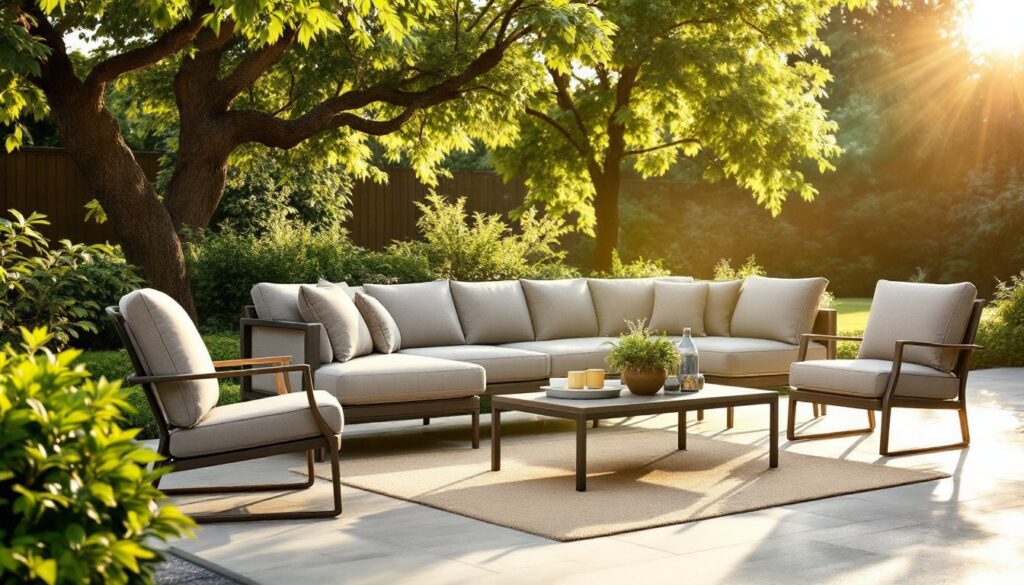
Tropitone offers a surprisingly wide range of styles, from clean-lined contemporary to traditional lounge designs. Their catalog includes dining sets, lounge chairs, sectionals, swivel rockers, and chaise lounges. Most collections come in multiple frame finishes (bronze, slate, graphite, or white aluminum) and fabric/sling options, so you can customize to match your aesthetic.
One popular series is their sling-based collections, where durable outdoor fabric is woven tightly across the frame instead of loose cushions. Sling furniture is practical for homeowners who don’t want to store or rotate cushions seasonally, it dries quickly, resists mildew, and requires minimal maintenance. Cushioned collections offer more comfort for stationary seating and come with removable, washable covers.
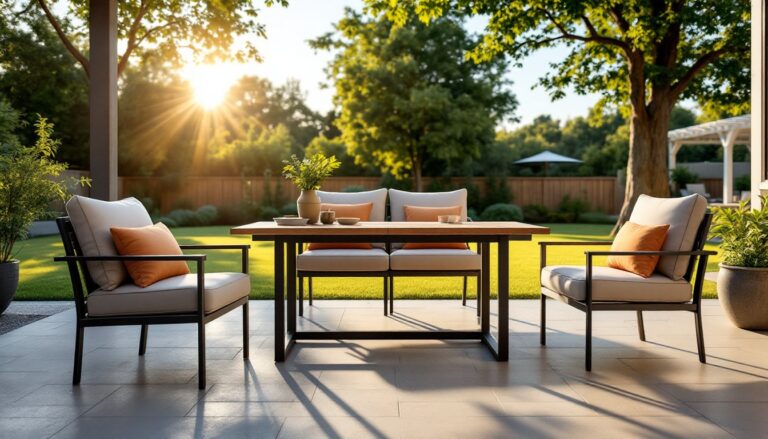
Their dining tables range from small bistro-style rounds to large rectangular tops with umbrella holes. Match them with cushioned dining chairs or sling options depending on comfort preference and maintenance tolerance. Many collections are modular, so you can start with a sofa and add ottomans, side tables, or end pieces as your budget allows. This flexibility appeals to homeowners building an outdoor space gradually.
Design-wise, Tropitone steers clear of overly ornate or ultra-trendy looks. You’ll find clean geometric frames, straightforward silhouettes, and finishes that suit homes in coastal, suburban, and transitional styles. Some lines lean toward mid-century modern lines, others feel more transitional. None feel disposable or cheaply designed, which is the core appeal.
Materials and Durability: What to Expect
Tropitone’s core material is 6061-T6 aluminum, a standard aircraft-grade alloy chosen for strength-to-weight ratio and corrosion resistance. The frames are hollow-tube construction, which keeps weight manageable while maintaining rigidity. Joints are typically welded or fastened with stainless steel hardware to prevent rust.
For seating surfaces, you’ll encounter three main options. Sling material, usually a polyester-acrylic blend, is woven across the frame and is the most durable for high-traffic areas. It doesn’t absorb water, dries fast, and resists fading and mildew if cared for properly. Cushions are typically made from outdoor-grade fabrics like Sunbrella®, which is solution-dyed (color runs through the fibers, not just the surface), making it fade-resistant and cleanable. Third option is solid surfaces, composite wood or treated wood slats, common on chaise lounges and benches.
The exposed aluminum will develop a natural gray patina over time, especially in coastal or humid climates. This isn’t rust: it’s oxidation, and it doesn’t weaken the frame. You can slow it with protective coatings, but most owners accept the weathered look as character. Powder-coated finishes (bronze, slate) hide patina better and look more polished, but they’re also more visible when scratched.
Lifespan depends on climate and maintenance. In temperate regions with minimal salt exposure and consistent care, Tropitone pieces typically last 8–12 years without major repairs. In harsh coastal or desert climates, expect 5–8 years of pristine appearance before weathering becomes noticeable. Replacement slings and cushions are available, so individual parts can be refreshed if the frame is still sound.
Caring for Your Tropitone Patio Furniture
Maintenance is straightforward if you follow a few basic habits. For sling furniture, rinse with a garden hose every few weeks and wipe dry with a cloth. For heavier buildup, a soft-bristled brush and mild soap work well. Avoid abrasive scrubbers, which can damage the weave.
Cushioned pieces need a bit more attention. Bring cushions inside during heavy rain or snow, or store them in a weatherproof bin. Brush off debris regularly and spot-clean spills with mild detergent. Sunbrella and similar outdoor fabrics are designed to resist fading, but moving furniture out of direct sun during the hottest part of the day extends the life of covers. If covers are removable, wash them by hand or check the manufacturer’s tag for washing instructions, many are machine-washable on gentle cycles.
For the aluminum frame, an occasional rinse with fresh water prevents salt or mineral buildup. If you live near the ocean, rinse more frequently to avoid accelerated oxidation. You can apply clear protectant sprays designed for aluminum to slow patina development, but it’s not essential and won’t stop oxidation entirely.
Store cushions and removable parts indoors during winter in cold climates. The furniture frame itself doesn’t need to be covered, but a breathable cover reduces dust if it’s not in use for months. Never use plastic sheeting, which traps moisture and speeds corrosion.
Inspect bolts and fasteners annually, especially on pieces that move (swivel chairs, rockers). Tighten any that’ve loosened. This simple habit prevents wobbling and extends the life of moving parts.
Pricing, Value, and Where to Shop
Tropitone pricing varies widely by collection and size. A single sling lounge chair typically runs $400–$700, while a cushioned dining chair costs $500–$900. A four-piece conversation set (two chairs, one sofa, one ottoman) ranges from $2,500–$5,000 depending on materials and cushion grade. Dining tables start around $800 for smaller sizes and climb to $2,500+ for larger sealed-top or teak-topped models.
The brand’s value lies in that middle-market positioning: you’re spending more than big-box outdoor furniture but less than ultra-luxury lines. If you’re comparing costs, factor in longevity. A $3,000 Tropitone set that lasts 10 years costs $300 per year: a $1,200 mass-produced set that needs replacing every 3 years costs $400 per year. Real-world durability tips the value calculation in Tropitone’s favor for most homeowners.
You’ll find Tropitone at specialty outdoor furniture retailers, high-end garden centers, and online vendors. Prices and availability vary by retailer and location, so call ahead or check websites for current stock. Some retailers offer floor models at discounts, and end-of-season sales (late August through September) sometimes yield 15–25% off. Avoid buying from unfamiliar online-only sellers: stick to authorized dealers to ensure warranty support and accurate delivery.
When shopping, sit in pieces whenever possible. Outdoor furniture comfort is subjective, test the seat depth, back angle, and armrest height to make sure they suit your body. Order outdoor retailer catalogs or visit showrooms to see finish colors and fabric textures in person: photos don’t always capture how bronze powder-coat or sling colors actually look in your yard’s light.
Building an outdoor living space is similar to designing outdoor entertaining areas, where a few quality anchor pieces serve as the foundation for everything else. Tropitone’s reliability makes it a sensible investment for that foundation.
Conclusion
Tropitone patio furniture delivers honest value, solid construction, practical design, and reasonable pricing without cutting corners. It’s not ultra-luxury or budget disposable: it’s the thoughtful choice for homeowners who want pieces that’ll look good and perform well for a decade or more. Factor in your climate, how you plan to use the space, and your maintenance tolerance, and you’ll find Tropitone worth the investment.