Table of Contents
ToggleAcacia wood bedroom furniture has become a go-to choice for homeowners seeking a sweet spot between durability, aesthetics, and budget-friendly pricing. This hardwood delivers real strength and visual warmth without the premium price tag of teak or walnut. Whether you’re furnishing a bedroom from scratch or updating a single piece, acacia offers versatility that works with modern minimalist spaces, rustic farmhouse vibes, and everything in between. This guide walks you through what makes acacia wood special, which furniture pieces work best, how to keep your investment looking sharp, and how to style a bedroom that feels cohesive and inviting.
Key Takeaways
- Acacia wood bedroom furniture offers the ideal balance of durability, aesthetic appeal, and affordability, ranking 1,625 on the Janka hardness scale between oak and hickory.
- Natural moisture resistance and unique grain patterns make acacia wood ideal for humid bedroom environments, with each piece featuring genuinely distinctive golden tones and character.
- Bed frames, nightstands, dressers, and storage solutions in acacia wood provide years of reliable use through solid joinery and smooth drawer slides that outperform cheaper alternatives.
- Weekly dusting with microfiber cloths, immediate spill cleanup, and protection from direct sunlight and heating vents keep acacia wood bedroom furniture looking fresh for decades.
- Acacia wood’s warm honey-gold tones work beautifully as a grounding element in neutral, rustic, and modern bedroom styles, especially when paired with warm lighting at 2700K color temperature.
Why Acacia Wood Is an Excellent Choice for Bedroom Furniture
Acacia is a tropical hardwood native to Africa and Australia, prized for its density, hardness, and striking grain patterns. On the Janka hardness scale, it ranks around 1,625, placing it between oak (1,290) and hickory (1,820), durable enough to resist dents and scratches from daily use without being overly brittle.
One major advantage is moisture resistance. Acacia’s natural oils make it less prone to warping or swelling in humid environments, which matters in bedrooms where bathrooms are nearby or seasonal humidity fluctuates. This trait alone saves repair headaches down the road.
The wood’s appearance is another draw. Acacia showcases rich, honey-gold tones with occasional darker grain lines and occasional knots that create visual interest without looking artificial. Each piece is genuinely unique, two acacia nightstands won’t be clones.
Cost-wise, acacia lands in the middle tier. It’s significantly cheaper than solid walnut, cherry, or teak but costs more than pine or particleboard. You’re getting legitimate hardwood stability and longevity at a price that doesn’t require a second mortgage. For most homeowners, this balance makes acacia the smart choice for a bedroom refresh that’ll last decades, not years.
Popular Acacia Wood Bedroom Furniture Pieces
Bed Frames and Headboards
Acacia bed frames are workhorses. A solid acacia frame supports a standard queen-size mattress (60″ × 80″) without sagging, assuming proper support rails and center beams rated for 300+ pounds. Look for frames with mortise-and-tenon joinery or heavy-duty metal corner brackets, these connections outlast glue-only construction.
Headboards carved or constructed from acacia add architectural drama. Whether you choose a slatted design (easier to dust, modern look) or a solid panel with subtle detailing, acacia’s grain becomes a focal point. Floating headboards mounted to wall studs eliminate the need for a frame backing, freeing floor space in smaller bedrooms. A 4-to-6-inch-thick acacia headboard feels substantial and won’t look skinny or cheap.
When shopping, confirm the mattress sits flush or slightly above the frame edge. A gap creates a dust trap and an unstable feeling when you sit on the mattress edge.
Nightstands, Dressers, and Storage Solutions
Nightstands take daily abuse: phones, water glasses, slamming drawers, and clumsy late-night grabs. Acacia’s hardness handles this without flinching. A typical two-drawer nightstand offers quick access to essentials while keeping the surface uncluttered. Solid acacia drawer fronts don’t sag like veneer might after years of pulling.
Dressers are where acacia truly shines. A six-drawer dresser provides organization without consuming excessive floor space, and acacia’s warm tone energizes a room better than bland laminate finishes. Deep drawers (12+ inches) accommodate folded sweaters and linens without forcing you to overstuff. Smooth acacia drawer slides glide effortlessly, a simple pleasure that cheap furniture skips.
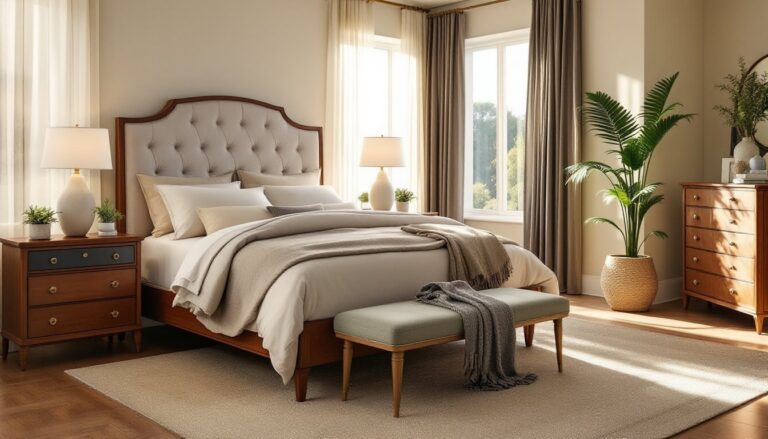
Storage benches at the foot of a bed combine function and form. Acacia’s color plays nicely as a visual anchor, and a padded top provides seating or a spot to lay out tomorrow’s outfit. Look for benches with interior storage, a hidden lift-top keeps blankets and off-season bedding organized and dust-free. When comparing options, check that hinges are soft-close: they protect your fingers and the wood from repeated slamming.
For open shelving, consider acacia wall-mounted shelves (typically 8-12 inches deep). They’re sturdy enough to hold books, decorative boxes, and small plants without needing reinforcement brackets every foot. This approach works especially well in modern bedrooms or reading nooks.
How to Care for and Maintain Acacia Wood Furniture
Acacia is low-maintenance compared to softer woods, but proper care keeps it looking fresh. Start with prevention: use coasters under drinking glasses, felt pads under lamps and clocks, and a bedside tray to catch spills.
Dusting weekly with a soft microfiber cloth (not paper towels, which scratch) removes dust and preserves the finish. Wipe along the grain: cross-grain rubbing can appear to dull the wood over time. Avoid feather dusters, they snag on knots and can splinter fine finishes.
For deeper cleaning, mix a few drops of mild dish soap with warm water and wring out your cloth thoroughly. Excess moisture is acacia’s main enemy. Wipe spills immediately and ensure furniture dries completely within a few hours. Don’t leave wet towels on surfaces.
Finish maintenance depends on whether your furniture has a matte, satin, or glossy topcoat. Most acacia bedroom pieces use a polyurethane or lacquer finish, durable and water-resistant. Every 1-2 years, apply a touch-up coat per the manufacturer’s instructions. Minor scratches can often be buffed out with fine-grit sandpaper (220-320) and a matching wood stain, but deep gouges typically require professional refinishing.
Keep acacia furniture away from direct sunlight and heating vents. UV rays fade the honey-gold tones, and dry heat can cause checking (fine surface cracks). In bedrooms with large windows, hang lightweight curtains or use UV-protective film. Humidity should hover around 40-50%: use a humidifier in winter if your home gets below 35% humidity, as acacia can become brittle in very dry conditions.
Styling Your Bedroom with Acacia Wood Furniture
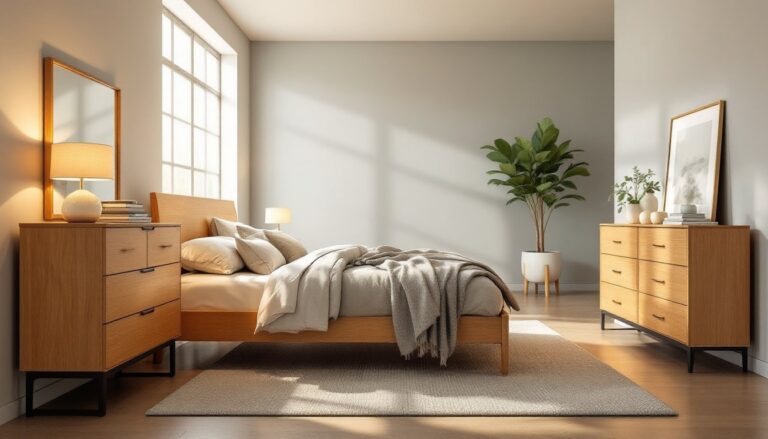
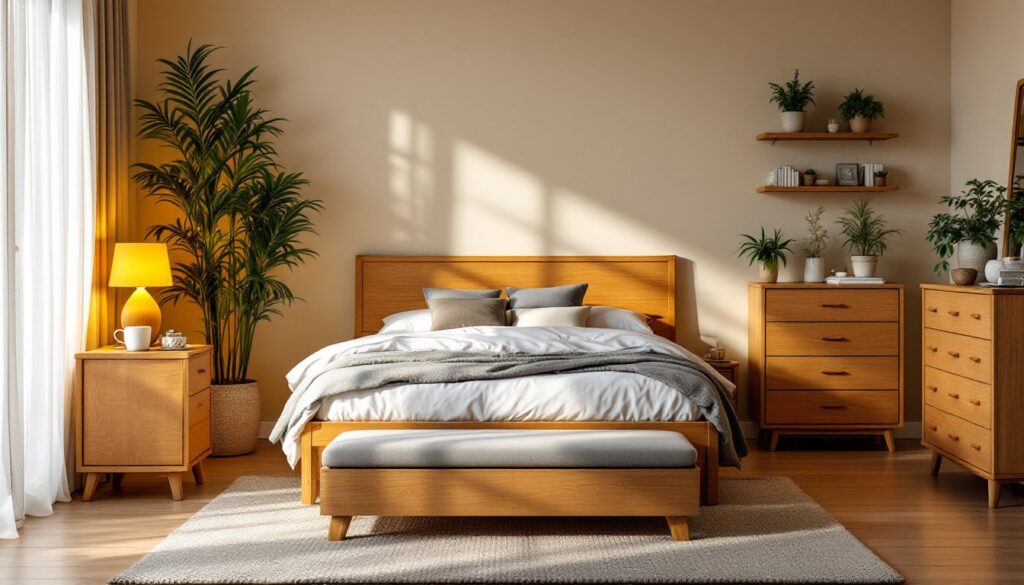
Acacia’s warm, golden tone works as both a grounding element and an accent, depending on your room’s color palette. In neutral bedrooms, whites, grays, soft beiges, acacia furniture becomes the visual anchor, warmth against cool tones that otherwise feel sterile. A single acacia dresser opposite a bed covered in white linen and gray throw pillows creates effortless balance.
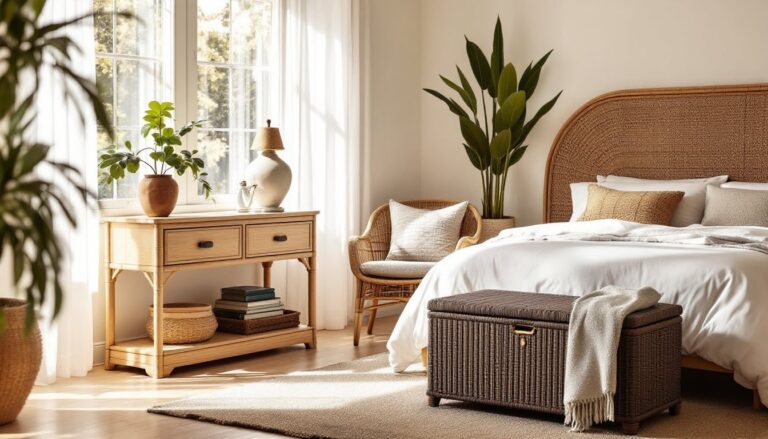
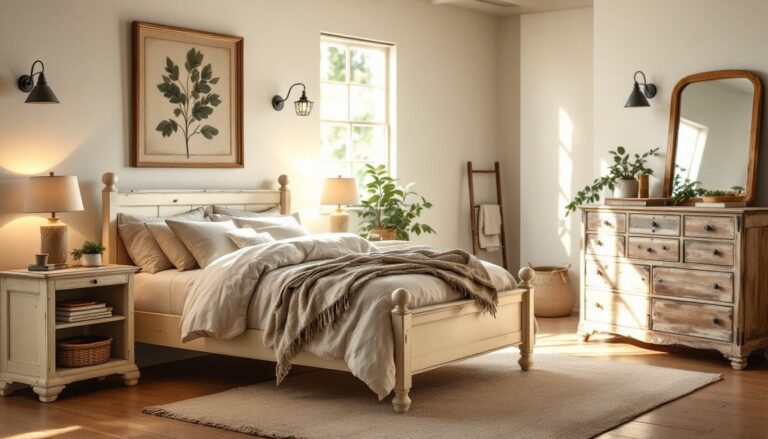
For rustic or farmhouse aesthetics, pair acacia with wrought-iron details, linen upholstery, and soft lighting. The wood’s natural knots and grain variations echo the “lived-in” charm these styles celebrate. Add a chunky knit throw or macramé wall hanging to reinforce the vibe.
In modern or mid-century spaces, acacia’s clean lines (especially on platform beds and simple drawer fronts) complement minimalist design without feeling cold. Pair acacia pieces with natural fiber rugs, potted plants, and ambient lighting for a balanced, inviting aesthetic.
For color, consider the “warm neutrals” family: soft mustard, terracotta, sage green, and warm taupe pair beautifully with acacia without competing for attention. If you prefer bolder tones, use them in soft furnishings, pillows, curtains, bedding, and let acacia ground the scheme.
Lighting matters more than people realize. Acacia shows its best under warm LED bulbs (2700K color temperature) or soft tungsten lighting. Cool, harsh overhead lights flatten the wood’s character. A bedside lamp with a warm shade and a dimmer switch creates an inviting retreat feel.
Conclusion
Acacia wood bedroom furniture delivers durability, timeless style, and affordability in one package. Its natural hardness and moisture resistance mean your investment holds up to years of use, while its warm golden tones and unique grain patterns ensure your bedroom never feels generic. Regular dusting and spill prevention keep pieces looking new, and a little sunlight management goes a long way. Whether you’re building an entire bedroom suite or adding a single statement dresser, acacia offers flexibility and honest craftsmanship that outperforms cheaper alternatives without very costly.