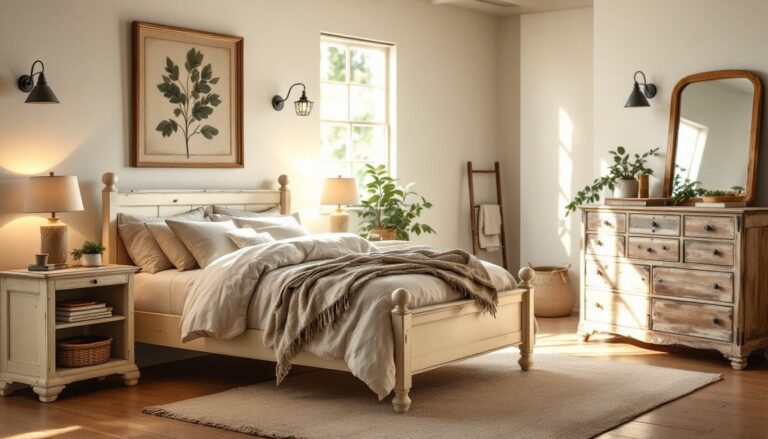
Step into a world where elegance meets comfort, where a well-crafted space invites both conversation and admiration. Formal living rooms are more than mere decoration: they are an experience, a statement of style that greets visitors with open arms, figuratively speaking, of course. Whether you’re preparing for an upscale soirée or simply want to showcase your impeccable taste, mastering the art of a formal living room can be your secret weapon. Ready to transform your ordinary space into a haven of sophistication? Let’s immerse.
Understanding the Concept of Formal Living Rooms
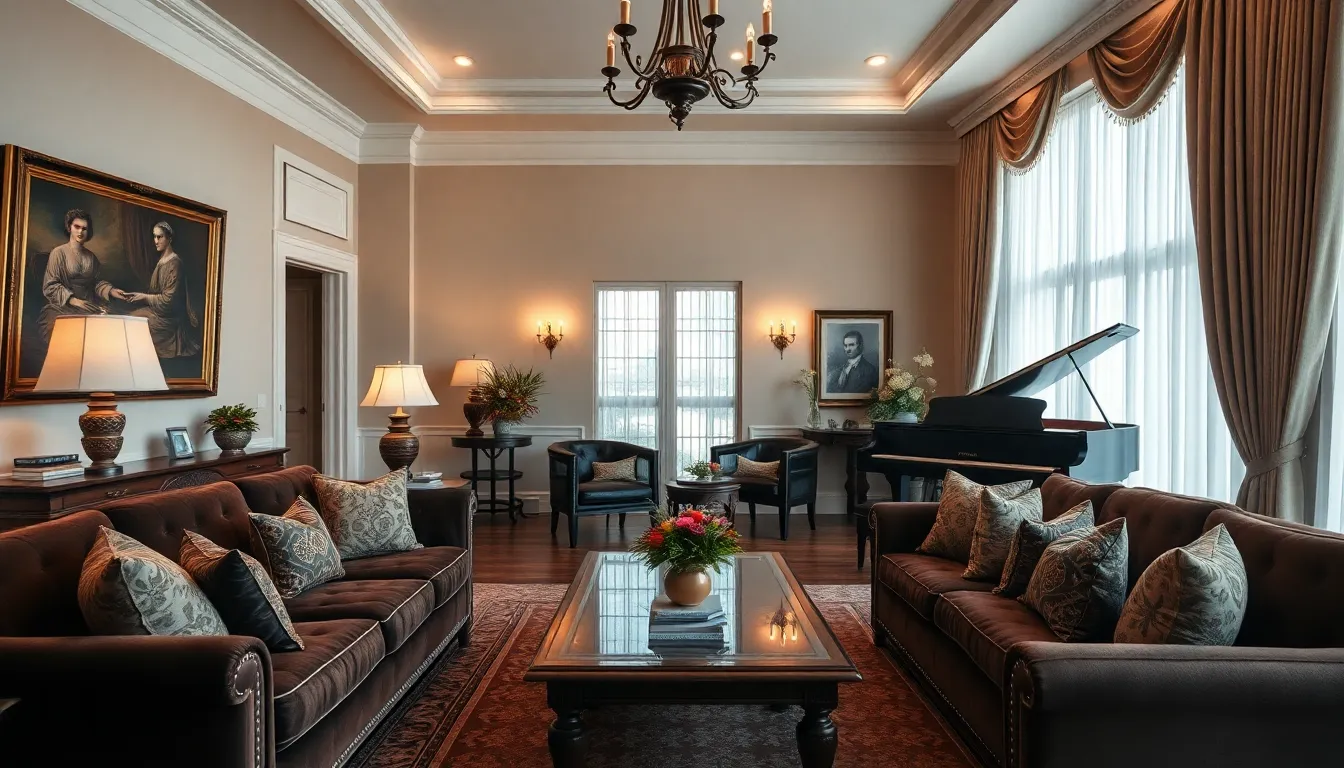
Formal living rooms serve as a canvas for luxury, distinguished from more casual family areas. Traditionally, these spaces prioritize aesthetics over functionality, offering a serene environment for entertaining guests. Often equipped with sumptuous decor, such rooms echo elegance, history, and sometimes even a hint of nostalgia. It’s essential to recognize that formal living rooms are not merely about rigid decorum. They capture the essence of refined relaxation, a place where one can unwind without the distractions of everyday life.
Unlike a family room, where spontaneity reigns supreme, a formal living room tends to invite more structured interactions. Here, hours can slip away in pleasant conversation or contemplative quietude, made comfortable by plush seating and beautiful artwork. The psychological allure of a beautifully designed space often encourages a more thoughtful engagement among those who enter.
Key Elements of Formal Living Room Design
A successful formal living room design hinges on several key elements that contribute to its overall elegance.
Choosing the Right Furniture for Formal Living Spaces
Selecting the appropriate furniture is fundamental. Opt for pieces that exude quality and sophistication, think classic sofas, refined armchairs, and elegant coffee tables. Furniture should not only be beautiful but also comfortable enough to invite guests to linger.
Also, consider scale and proportion. Oversized furniture can overwhelm a room, while undersized pieces can feel misfit. Balance is crucial. Incorporating a statement piece, such as an ornately carved console table or a vintage chandelier, can also create a focal point that anchors the space.
Color Palettes and Fabrics for a Formal Aesthetic
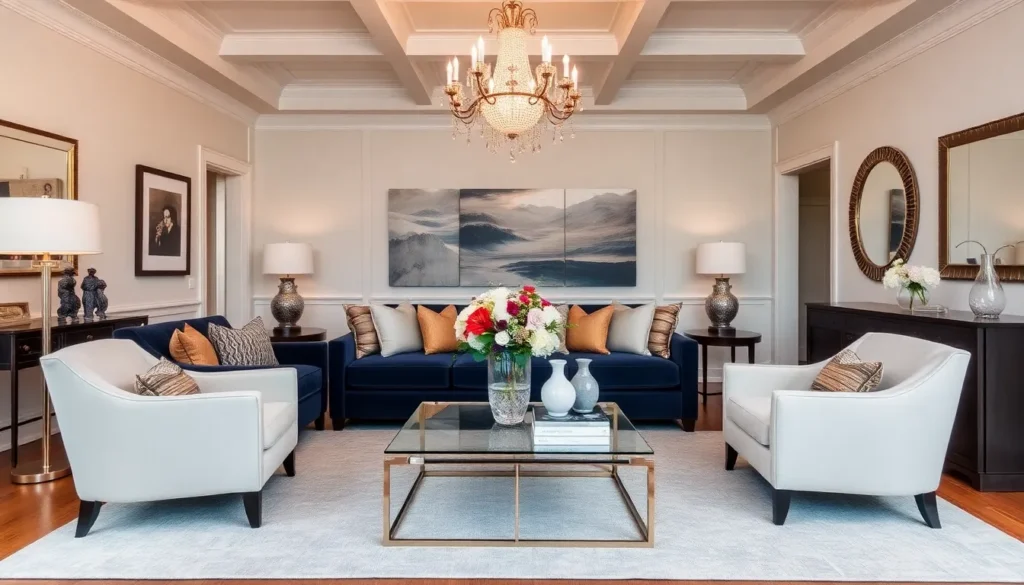
Next comes the color palette. It’s wise to steer towards muted, classic shades that evoke a sense of calm. Rich shades of navy, deep greens, or soft pastels can harmonize beautifully, while metallic accents add a touch of glamour.
Fabric also carries significant weight in creating a formal atmosphere. Luxurious materials like silk, velvet, and high-quality cotton can elevate the space, inviting texture and depth into your design. Don’t shy away from patterns, but remember, subtlety is key.
The Role of Lighting in Formal Living Rooms
Lighting wields tremendous power in shaping the ambiance of a formal living room. Properly utilized, it can accentuate the room’s elegance while ensuring everything is visually inviting.
Accessorizing Your Formal Living Room
Chandeliers are a perennial favorite, serving as magnificent focal points that draw the eye upward. Pair these with layered lighting options, such as floor lamps or wall sconces, to provide versatility. Adjustable lighting allows for a seamless transition from vibrant gatherings to intimate evenings.
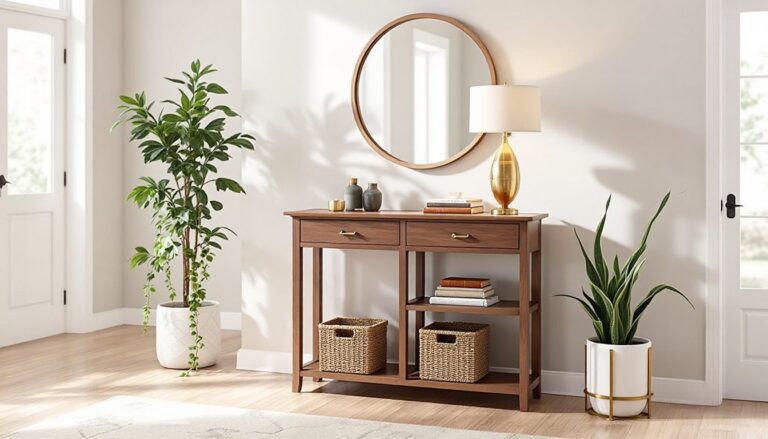
Don’t overlook the importance of accessories. Well-placed mirrors can create the illusion of space while reflecting light within the room. Also, curated pieces such as tasteful vases, artful sculptures, or books arranged on a chic coffee table can add personality while enhancing the formality of the environment.
Creating a Welcoming Atmosphere
While a formal living room seeks to impress, it should still feel inviting. Balancing elegance with warmth is crucial. Cozy throws draped over a chair or a few carefully chosen family photographs can soften the space, making it relatable without compromising its sophistication.