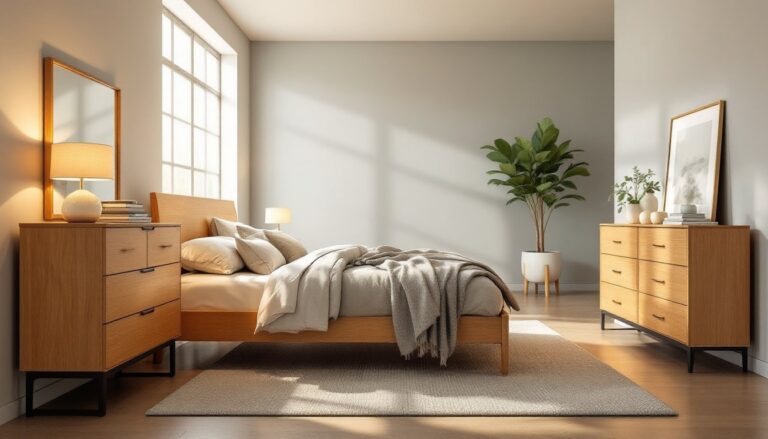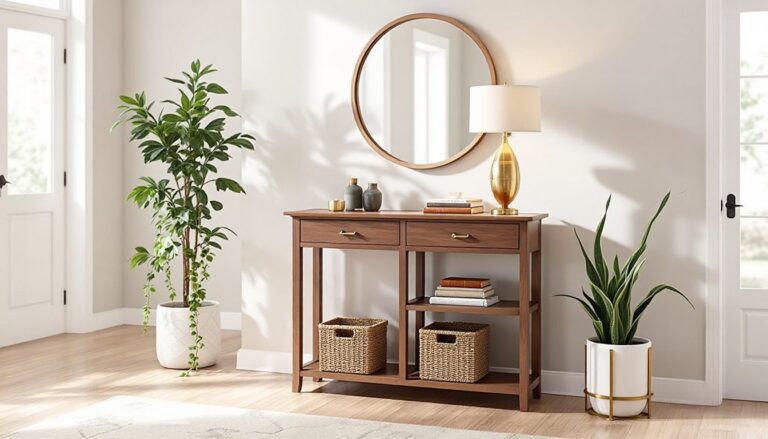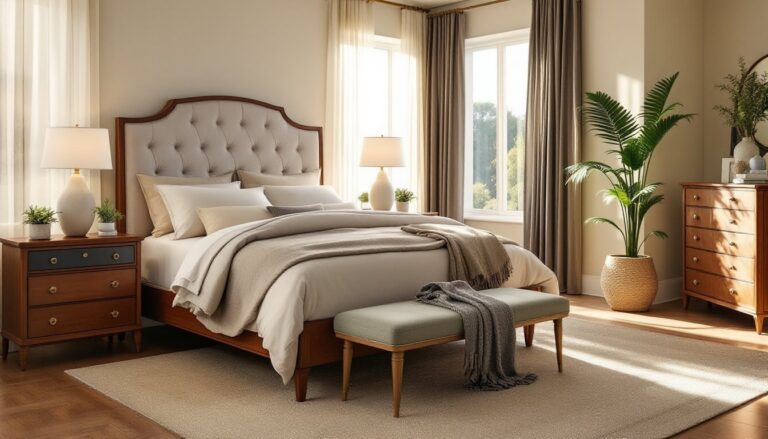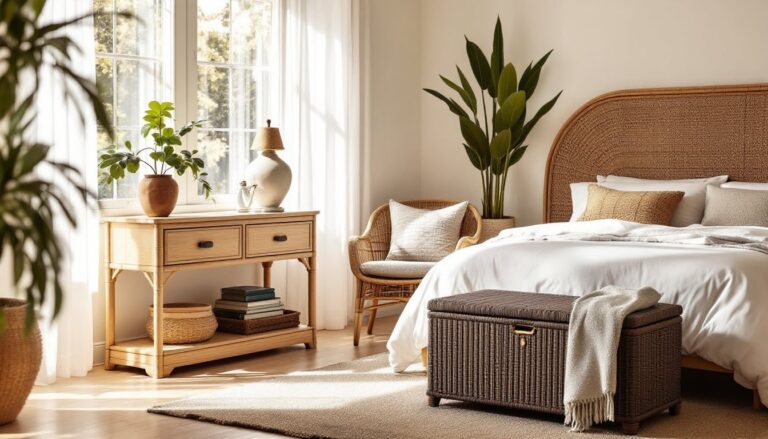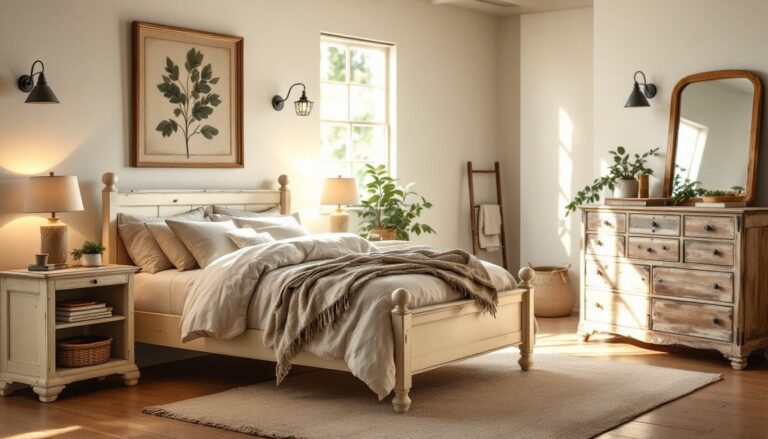
When it comes to choosing furniture, measurements are the unsung heroes. Picture this: you’ve found the perfect sofa, only to realize it doesn’t fit through your front door. Ouch. Accurate measurements can save you from furniture mishaps, and a few headaches. This guide dives deep into the art of measuring your furniture, ensuring you find the right fit without losing your sanity (or your living room). Whether you’re arranging a cozy nook or furnishing a sprawling space, understanding dimensions is your secret weapon. So, tighten those tape measures and get ready to conquer the world of furniture measurements.
Understanding Importance of Accurate Measurements

In the realm of interior design, accurate measurements hold more significance than you might think. They serve as the foundation for creating a comfortable living space. Misjudging the size of a piece can lead to cramped quarters or oddly spaced rooms. Not only does this affect aesthetics, but it also plays a role in functionality. A sofa that’s too large can obstruct pathways, while chairs that are too small can feel almost comical at the dining table.
Also, when it comes to purchasing new furniture, inaccurate measurements can result in impulse buying, a dangerous game to play in today’s world of online shopping. Many have experienced the shock of receiving a piece only to find it dwarfs their space or leaves their room feeling empty. Eventually, taking the time to measure correctly is akin to giving your home a personalized blueprint, ensuring that every piece has its rightful place.
Essential Furniture Dimensions You Should Know
Understandably, each furniture type comes with its standard dimensions that can guide your shopping experience. Here are a few crucial measurements to keep in mind:
- Sofas and Couches: Standard sofas typically range between 72 to 96 inches long, while loveseats hover around 48 to 72 inches. Depth generally falls between 30 to 40 inches.
- Dining Tables: A standard dining table is usually 30 inches high. Length varies from 60 to 72 inches for rectangular tables, while round tables typically range from 36 to 60 inches in diameter.
- Beds: Twin beds are about 38 inches wide and 75 inches long. Full beds are 54 inches wide, while queen and king sizes escalate to 60 and 76 inches respectively.
- Dressers and Chests: These pieces vary widely, but a common height is around 30 to 36 inches, with widths jostling between 30 and 60 inches.
Familiarizing oneself with these dimensions can help to narrow choices during furniture hunting and make the selection process less daunting.
How to Measure Your Space for Furniture
Measuring your space correctly is crucial before welcoming new furniture into your home. Here’s a step-by-step approach:
- Gather Your Tools: You’ll need a measuring tape, pen, and paper. You might also find it useful to have a friend on hand to help.
- Start with the Room: Begin by measuring the length and width of the room. Determine where windows and doors are located, as these will impact where you can place furniture.
- Consider Existing Pieces: If you already have furniture that will remain, measure those pieces. This helps in planning how new furniture can complement existing items.
- Draw a Floor Plan: Sketch out the room with your measurements. This will give you a visual sense of how much space is available.
- Create a Three-Dimensional Layout: Use tape to outline furniture sizes on the floor. This method provides a practical visualization, allowing you to walk around the outlined furniture to gauge fit.
- Account for Traffic Flow: Ensure you leave enough space for people to move comfortably around pieces, typically 24 to 30 inches of space for pathways.
Tips for Choosing the Right Size Furniture
Choosing the right size furniture isn’t merely about dimensions but also involves considering the scale of the room and its layout. Here are some helpful tips:
- Proportion is Key: Always opt for furniture that matches the size of the room. A large sectional in a small living space will feel overwhelming, while a tiny chair in an expansive area can look lost.
- Test the Size: If unsure, use cardboard or masking tape to create a mock-up of the furniture. This allows for a real-world perspective on how various pieces will coexist in the space.
- Prioritize Comfort: While aesthetics matter, don’t forget about comfort. Opt for pieces that ensure an inviting atmosphere, allowing people to relax.
- Multifunctional Furniture: Consider options that serve multiple purposes. Ottomans with storage or coffee tables that extend can help maximize space without sacrificing functionality.
Common Mistakes to Avoid When Measuring Furniture
Even the savviest of shoppers can stumble into measurement missteps. Here are some common pitfalls to avoid:
- Ignoring Doorways and Staircases: Even if it fits perfectly in the room, it won’t matter if you can’t get it through the door or up the stairs. Always measure entry points before finalizing purchases.
- Neglecting Depth: While focusing on width and height, don’t overlook depth. A piece that looks great on paper may overpower a small room if too deep.
- Overlooking Scale in Relation to Height: Tall bookcases can feel suffocating in cramped spaces. Ensuring a balance between height, width, and space allows for comfort and aesthetic appeal.
- Rushing the Process: Measurements aren’t something to rush through. Take your time, measure twice, and then measure again. Precision here can spare you future headaches.