Table of Contents
ToggleA girl’s bedroom is more than just a place to sleep, it’s her personal sanctuary, study space, and creative refuge all rolled into one. Whether she’s a teenager claiming independence or a young child building her first sense of style, the furniture you choose shapes how that room functions and feels. The challenge? Fitting everything she needs into a space that’s often smaller than ideal, without making it look cramped or overwhelming. This guide walks you through selecting essential pieces, maximizing storage, and creating a room that actually works for her life, not just Pinterest aesthetics.
Key Takeaways
- Girl bedroom furniture must balance essential pieces—a quality bed, storage solutions, a functional desk, and comfortable seating—to create a space that works for sleeping, studying, and creative pursuits.
- Maximize small spaces by incorporating under-bed storage with clear containers and labeled sections, built-in drawer frames, and wall-mounted solutions that don’t consume floor space.
- Position desks near natural light and away from the bed to create a dedicated study zone, and pair them with adjustable task chairs and proper lighting to prevent eye strain.
- Start with neutral-toned furniture for big pieces like bed frames and dressers, then layer in personality through bedding, colors, and accent pieces that can easily evolve with her changing style.
- Quality matters on high-use items like beds and desks, but smart shopping through second-hand furniture, DIY refinishing projects, and strategic paint makeovers can dramatically reduce costs without sacrificing functionality.
Essential Furniture Pieces Every Girl’s Bedroom Needs
Before picking colors or styles, get the fundamentals right. Every functional girl’s bedroom starts with four core pieces: a bed (obviously), storage for clothes and personal items, a desk or workspace, and seating beyond the bed itself.
The bed is your anchor. It takes up the most visual real estate, so size matters, a twin works for younger children and small rooms, while a full (54″ × 75″) gives more comfort as she grows and stays surprisingly compact. Avoid undersized frames: they feel crowded and limit comfortable sleep.
Storage can’t be an afterthought. Between clothes, books, hobby supplies, and all the stuff that accumulates, girls need real storage solutions. A dresser, closet system, shelving, or combination of these prevents the room from descending into laundry-pile chaos. One practical approach is a kids bedroom setup that grows with her, adding pieces as needs change.
A desk deserves dedicated real estate, even if it’s small. Assignments, art projects, gaming, or just having a flat surface to organize life makes this non-negotiable. A 24″ × 48″ desk is a solid minimum: cramped desks create frustration.
Finally, add a chair or small seating that isn’t the bed, for reading, chatting with friends, or just having breathing room. A reading chair, floor cushion, or even a small accent chair prevents the room from feeling like a sleep-only zone.
Selecting the Right Bed Frame and Storage Solutions
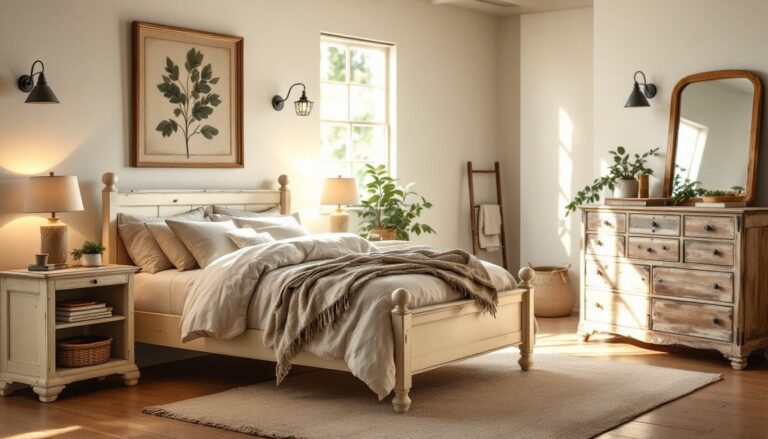
The bed frame sets the tone for the entire room, both visually and functionally. Wood frames feel warm and durable: metal frames are sleek and space-efficient: upholstered frames add softness. Pick one that suits her personality and your room’s proportions.
For a girl’s bedroom, consider frames with built-in storage, drawers under the bed or shelving integrated into the headboard. This isn’t luxury: it’s smart use of square footage. A bed with four drawers underneath can hold entire seasons of clothes, seasonal decorations, or school supplies. If the frame itself doesn’t offer storage, a bed skirt hides under-bed space visually while allowing storage boxes to slide underneath.
Maximizing Space With Under-Bed Storage
Under-bed storage is one of the easiest wins in a small room. That 12–16 inches of vertical space below a bed frame is prime real estate, don’t waste it.
Start with plastic storage containers (clear ones, so you can see contents without opening). Standard sizes include 12″ × 20″ × 8″ or 18″ × 24″ × 8″, measure your clearance first. Label everything: off-season clothes, books, craft supplies, or sports gear. Stack carefully to avoid crushing contents.
Alternatively, under-bed drawers (wooden or fabric boxes with wheels) slide out easily and feel more permanent. They’re pricier upfront but worth it if she needs to access items regularly.
Avoid jamming random items under the bed. That becomes a black hole. Decide what goes there, seasonal rotation, infrequently used items, then stick to it. A well-organized under-bed space means her main closet and dresser stay functional and her room feels less cluttered.
Pair this with one additional dresser or cabinet for daily-access items, and you’ve solved most storage headaches without eating up floor space.
Creating a Functional Desk and Study Area
A desk isn’t just for assignments, it’s where she charges devices, does art, plans outfits, or just has a quiet place to think. Location matters as much as the piece itself.
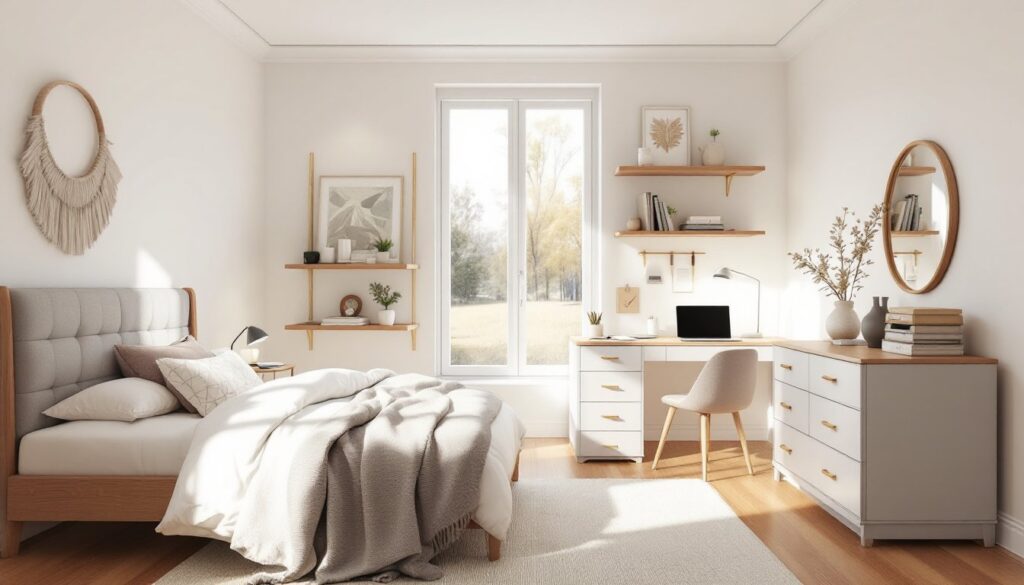
Position the desk near natural light if possible: this reduces eye strain and makes the space feel more open. If it’s against a window, even better, fresh air and daylight make studying less tedious. Away from the bed is ideal too: your brain separates “work zone” from “rest zone” better when they’re not touching.
For dimensions, aim for at least 24″ deep × 48″ wide. Anything narrower feels cramped when she’s juggling a laptop, notebook, and actually has room for her hands. If floor space is tight, a wall-mounted fold-down desk works (24″ × 24″ when extended, folds flat when not in use), though it sacrifices some work surface.
Pair it with task lighting, a desk lamp prevents shadow work and is essential if her study area isn’t near a window. LED bulbs reduce eye fatigue. A desk organizer (pen holder, drawer dividers, wall-mounted shelves above the desk) keeps supplies accessible without piling them on the work surface.
Chairs matter more than people think. A task chair with adjustable height is non-negotiable for desks: it prevents slouching and back pain during long study sessions. Look for one with wheels if she needs mobility, and make sure it’s the right height, feet flat on the floor, knees at 90 degrees when seated.
One practical move: pair the desk with a bedroom chic aesthetic. The study area doesn’t have to look clinical or corporate. It can be stylish and functional at the same time.
Styling With Color Schemes and Material Choices
Here’s where personal preference takes over. Color and material choices transform a functional room into one that feels like hers.
Start with a neutral base for big pieces. A white, gray, or natural wood bed frame works with almost any color scheme and doesn’t feel dated in three years. This anchors the room and gives you flexibility. Then layer in personality through bedding, curtains, and smaller pieces.
Material-wise, solid wood (pine, oak, or birch) is durable, warm, and holds up to years of use. Engineered wood or plywood is budget-friendly but less durable, it can warp if moisture hits it and doesn’t refinish well if she later wants to change it. Metal frames are sleek, lightweight, and great for modern or industrial looks.
For fabrics, consider durability. Cotton and linen blend upholstery cleans easier than 100% linen. Microfiber is stain-resistant but can pill with heavy use. Chair cushions should have removable, washable covers if possible.
Color psychology matters subtly. Cool tones (blues, greens, purples) feel calming, good for a sleep-heavy room or study space. Warm tones (peach, coral, warm pink) feel energizing and cozy but can make small rooms feel smaller. Neutrals (gray, beige, soft taupe) create space and sophistication. If she wants bold color, consider it on a statement wall, in bedding (easily swapped), or on a single accent piece like a chair rather than throughout.
Mix and match styles confidently. A rustic wood dresser pairs fine with a modern desk and a soft, contemporary chair. Mismatched styles feel intentional when the color palette is cohesive. Explore feminine bedroom ideas for inspiration on balancing softness with functionality.
Budget-Friendly Tips for Furnishing on a Shoestring
Quality furniture doesn’t require a trust fund. Smart shopping beats brand names every time.
Buy the bed and desk new. These are high-use items where quality and proper support matter: you can’t cheap out here without consequences. Everything else? Hunt strategically.
Second-hand furniture is your secret weapon. Facebook Marketplace, Craigslist, estate sales, and thrift stores (especially locally owned ones) have solid wooden dressers, chairs, and shelving for 50–70% off retail. Check joints for wobble, drawers for smooth operation, and wood for stains or damage, but cosmetic issues are fixable with paint or refinishing.
Lots of resources like Young House Love document budget furniture makeovers: a $30 thrift-store dresser looks brand new after two hours with primer, paint, and new hardware. This isn’t just cheap, it’s sustainable and teaches her that “old” doesn’t mean “bad.”
Paint strategically. A coat of primer + two coats of paint (about $15 total in materials) transforms beat-up vintage pieces into intentional showstoppers. Use high-quality acrylic latex paint in her chosen color, it covers better than budget brands and lasts longer.
DIY storage. Open shelving made from wood planks and brackets costs 1/3 of prefab shelving units and looks custom-built. Install according to stud locations (check with a stud finder) for safety. Wall-mounted shelves provide storage without eating floor space.
Bargain on bedding and textiles, not structure. A quality mattress matters: cheap mattresses sag within years. But affordable bedding sets work fine and can be mixed and matched cheaply as her tastes change.
Furniture store sales happen in predictable windows, post-holiday (January), spring (April–May), and back-to-school (August). If there’s no rush, waiting for a sale can save 20–30% on mid-range pieces. Websites like Homedit and design blogs often feature current sales and budget-conscious recommendations.
Finally, buy versatile pieces. A white dresser, natural wood desk, and gray chair work in a hundred different color schemes. Trendy-specific items (that ultra-specific shade of millennial pink nightstand) limit future flexibility when her style evolves.
Conclusion
Building a functional, stylish girl’s bedroom comes down to smart fundamentals: a solid bed, real storage, a dedicated desk, and pieces that mix form with function. Prioritize what matters (comfort, durability), get creative with budget solutions, and give her room to grow into her space. A bedroom that works, where she sleeps well, studies focused, and feels genuinely hers, pays dividends far beyond aesthetics.