Table of Contents
ToggleGot a couch that’s seen better days or a coffee table that’s more of a tripping hazard than a centerpiece? Unwanted furniture can turn your home into a cluttered maze, and let’s be honest, it’s not doing your decor any favors. Instead of letting that old furniture gather dust and take up valuable real estate, it’s time to kick it to the curb—figuratively speaking, of course.
From donating to selling or even turning it into a DIY project, there are plenty of ways to give that unwanted furniture a new lease on life. Not only will you reclaim your space, but you’ll also feel like a decluttering superhero. So roll up those sleeves and get ready to transform your home into the stylish sanctuary it deserves to be.
Understanding Unwanted Furniture
Unwanted furniture often refers to items that no longer serve a purpose or fit a home’s aesthetic. Years of use can lead to wear and tear, making these pieces less appealing. Removing such items can create a more inviting space and improve overall decor.
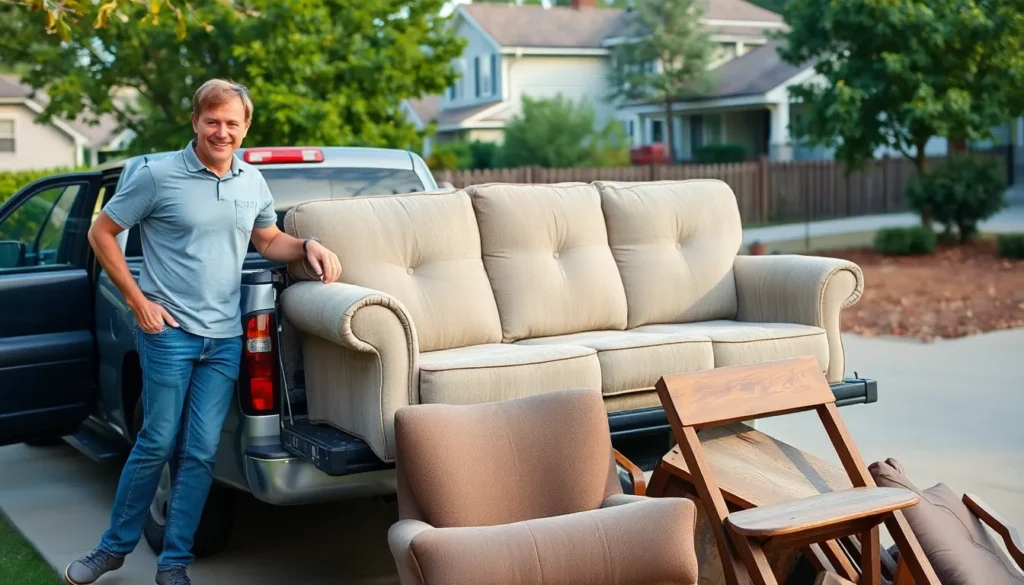
The types of unwanted furniture commonly encountered include broken chairs, outdated sofas, and mismatched tables. Identifying these pieces helps in formulating a plan for disposal. Each item can be evaluated based on its condition and suitability for various disposal options.
Donating furniture provides a generous way to give back to the community. Many organizations accept usable items, ensuring that they find a new home. Selling unwanted furniture can yield extra cash, especially for well-maintained pieces. Local platforms or social media can facilitate a quick sale.
Repurposing furniture offers an opportunity to extend its life creatively. It includes transforming an old dresser into a stylish TV stand or reupholstering a chair for a fresh look. DIY projects not only help declutter but also add a personal touch to a home.
Disposing of unusable furniture responsibly fosters environmental stewardship. Junk removal services can assist in poring over large amounts of furniture in a hassle-free manner. Recycling options are also available for materials like wood and metal, promoting sustainability.
Ultimately, understanding the nature of unwanted furniture empowers individuals to reclaim their space. Practical solutions exist for managing unwanted items effectively, ensuring a more organized and aesthetically pleasing environment.
Reasons to Get Rid of Unwanted Furniture
Unwanted furniture can clutter a home and create inconvenience. Identifying reasons for removal helps in making informed decisions.
Space Management
Optimizing space efficiency plays a crucial role in creating a comfortable environment. Extra furniture occupies valuable square footage, leading to cramped living conditions. Reducing unnecessary items allows for better organization and movement within a room. Minimalist approaches often enhance functionality, making spaces feel more open and inviting. Efficient space usage supports a more productive lifestyle, especially in smaller homes where every inch counts.
Aesthetic Improvement
Enhancing a home’s interior design benefits from removing outdated or mismatched furniture. Fresh and cohesive decor elevates the overall ambiance. Dated pieces can detract from a room’s visual appeal, while modern options maintain relevance in style. Updating furniture also allows for personal expression in decor. Investing in more appealing items sets a harmonious tone that reflects individual taste, transforming an ordinary space into an aesthetically pleasing one.
Methods to Get Rid of Unwanted Furniture
Various methods exist to effectively eliminate unwanted furniture. Individuals can choose options that suit their needs and circumstances best.
Selling Options
Selling unwanted furniture offers a practical solution. Online marketplaces such as Craigslist, Facebook Marketplace, and OfferUp allow sellers to reach a wide audience. Local consignment shops also provide opportunities for selling items directly, while garage sales can attract interested buyers from the neighborhood. Pricing items competitively increases the chances of a quick sale. Quality photographs and detailed descriptions enhance appeal, encouraging potential buyers to consider purchases seriously.
Donating Furniture
Donating furniture benefits both individuals and the community. Local charities, shelters, and non-profit organizations often accept gently used items, providing individuals with a tax deduction. Scheduling pick-ups makes the donation process easier for large items. Organizations like Goodwill and Habitat for Humanity frequently seek furniture donations, helping those in need. Researching specific guidelines ensures that donations meet the organization’s requirements and standards.
Recycling and Disposal
Recycling and proper disposal contribute to environmental sustainability. Many cities offer special collection days for large items, including furniture, and provide curbside pick-up services. Recycling centers exist that can process materials like wood, metal, and upholstery, reducing landfill waste. Additionally, hiring junk removal services allows individuals to efficiently dispose of broken or unusable furniture. Opting for responsible disposal methods promotes ecological well-being and prevents harmful environmental impacts.
Tips for Effectively Getting Rid of Unwanted Furniture
Clearing out unwanted furniture involves strategic steps. Preparing items for sale or donation enhances their appeal.
Preparing Furniture for Sale or Donation
Clean each piece thoroughly to make it presentable. Repair minor damages like scratches or loose legs, as these improvements enhance perceived value. Take clear photographs from multiple angles when listing online. Include measurements in descriptions to help potential buyers visualize the fit in their spaces. Encourage interest by pricing items competitively.
Highlight any unique features or history that may attract buyers. Lastly, pack items securely for transportation to protect them from damage during the moving process.
Finding the Right Recipients or Buyers
Research local charities that accept furniture donations to benefit those in need. Look for non-profits or shelters that may require specific items, such as couches or tables. Online marketplaces like Facebook Marketplace and Craigslist offer exposure to a wider audience when selling. Engage with community groups on social media to reach potential buyers nearby.
Explore consignment shops that deal with home furnishings, which often handle the selling process for a fee. Host a garage sale to attract local shoppers who appreciate good deals on quality items. Prioritize connecting with recipients or buyers who align with the furniture’s condition and style.
Getting rid of unwanted furniture is an essential step toward creating a more organized and visually appealing home. By identifying items that no longer serve a purpose, individuals can take action that not only benefits their living space but also contributes to the community. Whether through donating, selling, or repurposing, every choice made can lead to a more functional environment.
Embracing a minimalist approach can enhance both comfort and style. With the right strategies in place, individuals can transform their homes into inviting spaces that reflect their personal taste. Taking the initiative to dispose of unwanted furniture responsibly ensures a clutter-free home and promotes a sustainable lifestyle.