Table of Contents
ToggleYour bedroom should be more than just a place to sleep, it’s your personal retreat, a space where design choices directly impact how you rest and recharge. In 2026, trending bedroom furniture is evolving beyond aesthetics, blending sustainability, smart features, and timeless style into pieces that actually work harder for you. Whether you’re refreshing a single corner or reimagining the entire room, understanding what’s trending helps you invest in furniture that feels current without becoming dated in a year or two. The good news? This year’s top styles cater to different budgets, tastes, and priorities, so there’s something for nearly everyone.
Key Takeaways
- Trending bedroom furniture in 2026 combines sustainability, smart features, and timeless style to create functional pieces that enhance your rest and retreat.
- Minimalist platform beds with clean lines and storage underneath are the foundation of modern bedroom design, offering practicality without sacrificing aesthetics.
- Sustainable and eco-friendly materials like reclaimed wood and FSC-certified frames are both environmentally responsible and increasingly affordable for bedroom transformations.
- Multifunctional storage solutions, including beds with built-in drawers and headboards with integrated shelving, solve clutter problems while maximizing floor space.
- Smart bedroom furniture with integrated USB ports, wireless charging pads, and adjustable LED lighting is becoming standard, but prioritize durable construction that outlasts technology trends.
- Choose one or two anchor trending elements that suit your lifestyle and space, then build your design around them rather than chasing every trend.
Minimalist Platform Beds with Clean Lines
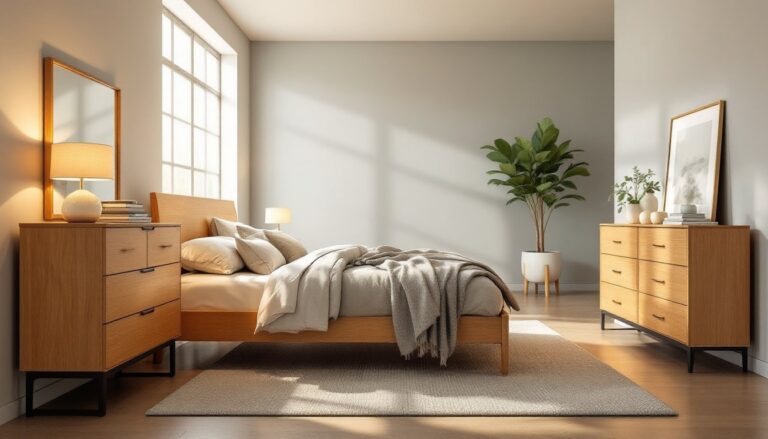
The platform bed has quietly become the backbone of modern bedroom design, and minimalism is pushing it even further. These beds feature low-to-the-ground profiles, simple geometric frames, and zero decorative fuss, just pure, intentional design. What makes them practical? Platform beds eliminate the need for a separate box spring, and they sit high enough off the floor that you can slide storage bins underneath, addressing one of the biggest challenges in bedroom design.
When shopping for a minimalist platform bed, look for solid wood frames (walnut or white oak are classic), metal slat systems, and widths that match your room (queen at 60 inches wide is standard). The beauty of this trend is that it pairs with almost any decor style, from industrial to Scandinavian. Installation is straightforward for most models, expect a hex wrench, patience, and maybe a second pair of hands for positioning the frame. Finish placement matters too: a bed frame positioned against your longest wall opens up sightlines and makes the room feel larger.
Sustainable and Eco-Friendly Materials
Sustainable furniture isn’t just a moral statement anymore, it’s practical and increasingly affordable. Reclaimed wood dressers, FSC-certified (Forest Stewardship Council) bed frames, and naturally finished nightstands are showing up in mainstream bedroom designs because they simply look good and last longer. When wood is left untreated or finished with low-VOC stains, it also means fewer off-gassing odors in a space where you spend a third of your life.
When evaluating eco-friendly pieces, check the manufacturer’s certifications rather than just marketing language. Ask whether materials are reclaimed, responsibly harvested, or made from agricultural byproducts. A bedroom chic transformation often starts with one quality, sustainable piece that anchors the entire design. Manufacturers like those featured on Design Milk offer transparent sourcing information, so you know what you’re bringing into your home. Solid wood develops character over time, scratches and patina are features, not failures.
Multifunctional Storage Solutions
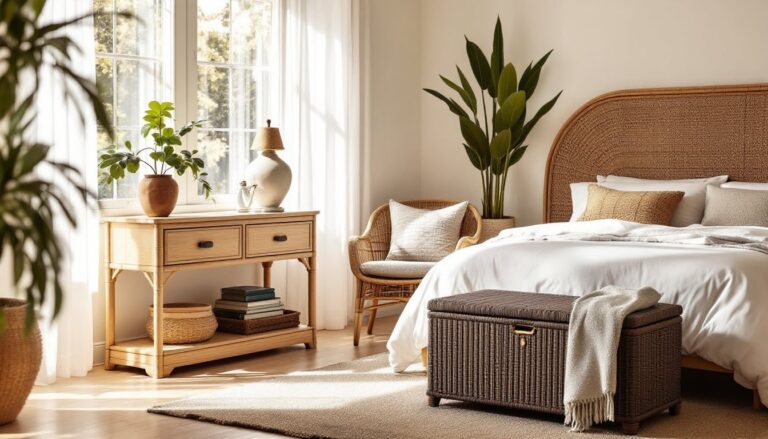
Real talk: most people don’t have enough closet space, which is why smart storage furniture has become essential in modern bedrooms. Beds with built-in drawers, ottomans that open for blanket storage, and wall-mounted shelving systems solve the clutter problem without eating floor space. A headboard with integrated shelving and outlets is particularly smart, it keeps your phone, alarm clock, and reading materials within arm’s reach.
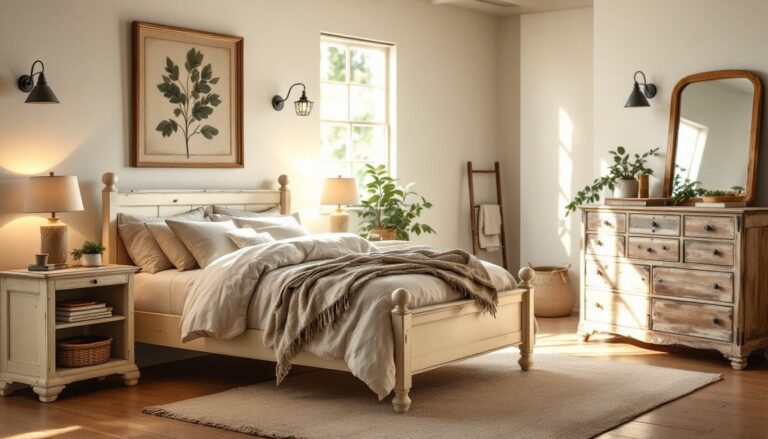
Storage-focused furniture works best when you plan placement thoughtfully. A low dresser with deep drawers for off-season clothing should sit opposite a window so you can see what you’re pulling out. Floating nightstands with a single drawer keep surfaces minimal. Many homeowners pair storage pieces with a clear-out system: anything you haven’t touched in a year leaves the bedroom. For those eyeing urban chic furniture, storage solutions blend seamlessly into the design while solving a practical problem.
Velvet Upholstered Headboards and Accent Pieces
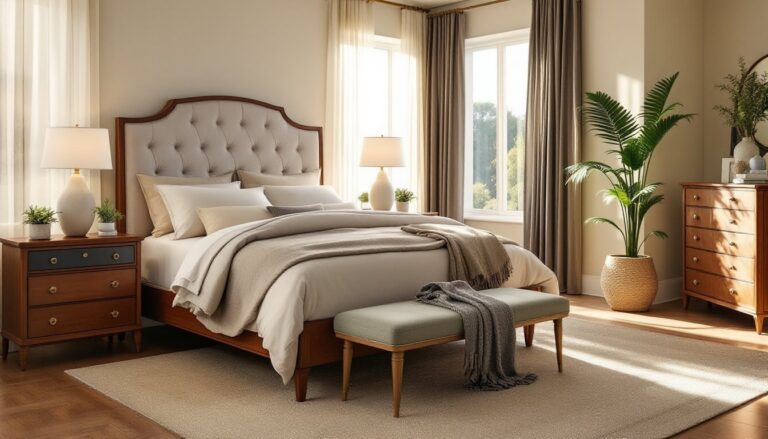
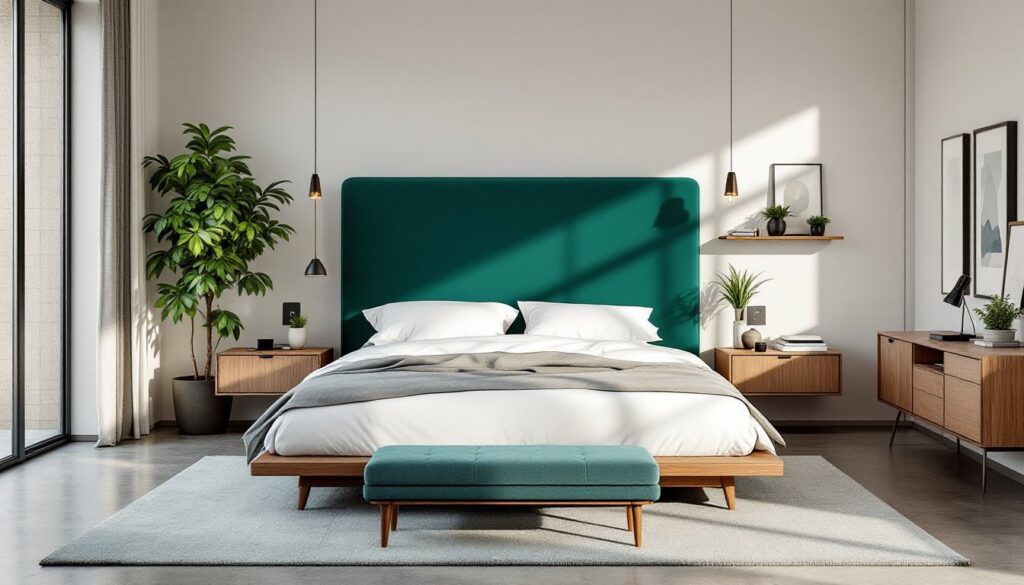
Velvet brings softness and sophistication to bedrooms in 2026, and the trend is moving beyond just headboards. Upholstered bench seats at the foot of the bed, velvet accent chairs, and padded side tables add texture and create visual interest without overwhelming the space. Jewel tones, emerald, sapphire, and burgundy, are particularly popular, though soft neutrals like charcoal and stone work equally well in minimalist designs.
Here’s the practical side of velvet: it shows dust and cat paws, so you’ll want to invest in a microfiber cloth and occasional professional cleaning. Crush-resistant velvet holds up better than traditional varieties, so ask vendors specifically about this durability feature. A headboard measuring 24 to 30 inches tall works best for a queen bed, with padding that’s at least 2 inches thick for comfort. Mounting hardware matters, secure headboards to the wall studs, not just the frame, to handle leaning and movement safely. The visual payoff of a statement velvet headboard is enormous: it immediately elevates the entire room’s design.
Mid-Century Modern Nightstands and Dressers
Mid-century modern (MCM) furniture brings that perfect balance of form and function that designers are obsessed with right now. Tapered legs, minimal ornamentation, warm wood tones, and clean-lined drawers create a sophisticated look that feels both vintage and contemporary. Nightstands with a single drawer and open shelf below keep essentials visible while maintaining a lean silhouette. Scandinavian furniture shares DNA with MCM design, both prioritize functionality over embellishment.
When selecting MCM pieces, pay attention to leg style and finish. Splayed legs (angled slightly outward) are iconic and make pieces feel grounded. Drawers should glide smoothly on metal slides, not stick or wobble. Wood species like walnut, teak, and white oak are traditional for MCM but lighter oak and maple offer affordability. Proportions matter: a nightstand should sit roughly level with your mattress top so you don’t strain reaching for items. MCM pieces work beautifully in smaller bedrooms because they don’t visually bulk up the space, legs stay visible, creating the illusion of airiness.
Smart Bedroom Furniture with Built-In Technology
Smart furniture bridges the gap between interior design and functionality, and bedrooms are the perfect testing ground. Beds with integrated USB ports, nightstands with wireless charging pads, and dressers with adjustable LED lighting are becoming standard in 2026. Some higher-end models include sleep tracking sensors embedded in the mattress frame, syncing data to your phone for wellness insights. A power bank-equipped nightstand drawer lets you charge multiple devices without visible cords cluttering the space.
The practical consideration here is longevity. While smart features are appealing, make sure the furniture itself, the wood, joints, and structure, will outlast the technology. USB ports fail, but a solid wood frame lasts decades. Look for modular designs where smart components can be replaced or upgraded without replacing the entire piece. Wireless charging pads work best on nightstands 24 to 30 inches tall, positioned where you naturally set your phone. According to bedroom design trends for 2026, tech integration is reshaping how people interact with their sleep spaces, balancing connectivity with rest.
How to Incorporate Trends Into Your Bedroom Design
Here’s where it gets real: trends are only valuable if they fit your actual life and space. Start by choosing one or two trending elements that genuinely appeal to you, maybe it’s a minimalist platform bed and sustainable materials, or a velvet headboard with smart nightstands. Everything else should support that anchor without competing for visual attention.
Measure your bedroom carefully before shopping: ceiling height, wall dimensions, door swings, and window positions all affect furniture placement. A queen bed typically requires a minimum 10-by-12-foot room to feel balanced and functional. Sketch a simple floor plan noting electrical outlets and natural light. When selecting pieces, buy quality in the foundation items (bed frame, dresser) and add trend-forward elements (headboard, accent chairs) that you can refresh if styles shift. Investing in one premium romantic bedroom piece over three cheaper items almost always wins in the long run. Test pieces in-store if possible, sit on the bed, open drawers, check stability. Online retailers with generous return policies reduce risk if something doesn’t work at home.