Table of Contents
ToggleWooden bedroom furniture offers timeless appeal, durability, and a sense of permanence that fits any home aesthetic. Whether you’re furnishing a bedroom from scratch or refreshing an existing space, understanding the fundamentals, from wood types to design styles, makes the difference between a room that merely functions and one that feels genuinely yours. This guide walks you through selecting quality wooden bedroom furniture sets, maintaining them for decades, and styling them to match your vision without the guesswork.
Key Takeaways
- Solid wooden bedroom furniture outperforms composite alternatives by lasting 20+ years with reliable structural integrity, while developing character and patina over time.
- Hardwoods like oak, maple, cherry, and walnut provide superior durability and justify their $1,500–$5,000+ cost for lifetime investment, whereas softwoods suit budget-conscious buyers willing to refinish every 8–10 years.
- A functional wooden bedroom foundation requires three anchor pieces: a quality bed frame with center support rails spaced 3 inches apart, a standard dresser (36–48 inches wide), and matching nightstands aligned with mattress height.
- Light woods like ash or maple suit Scandinavian minimalism, while dark walnut creates dramatic traditional spaces, and finish type—matte lacquer, high-gloss polyurethane, or hand-rubbed distressed—determines the overall aesthetic impact.
- Maintaining wooden bedroom furniture requires dust control, humidity regulation between 30–50%, immediate spill treatment, and refinishing every 8–15 years to extend the furniture set’s lifespan another 15 years with minimal cost and effort.
Why Wooden Bedroom Furniture Works For Modern Homes
Solid wood furniture has earned its place in modern bedrooms because it balances substance with style. Unlike particleboard or veneered alternatives, genuine wood pieces develop character over time, scratches become patina, and the grain patterns shift subtly with light and seasons. Homeowners appreciate wood for its structural integrity: a well-made bed frame or dresser will support weight reliably for 20+ years, whereas cheaper composites often sag or fail at joints within five years.
Wood also adapts to virtually any design direction. A chunky oak dresser works equally well in farmhouse, traditional, and even industrial settings with the right pairing. The material breathes naturally, which matters in bedrooms where humidity fluctuates nightly. Unlike plastic laminates that trap moisture, wood flexes slightly with seasonal changes, reducing the likelihood of warping or delamination if stored in typical home conditions.
Beyond durability, wood satisfies a psychological need for authenticity. Research shows that natural materials in sleeping spaces reduce stress and promote better sleep quality, something no synthetic fabric or particleboard can replicate. When building out wood bedroom furniture sets, you’re investing in an asset that ages gracefully and never goes out of style.
Types Of Wood And What To Know Before You Buy
Not all wood is created equal, and knowing the difference saves money and prevents buyer’s remorse. The wood species you choose affects durability, appearance, cost, and maintenance requirements. Common bedroom furniture woods include oak (light grain, affordable), maple (dense, light-colored, durable), cherry (reddish tone, moderately priced), walnut (dark, rich, expensive), and pine (soft, budget-friendly, requires care).
Each species reacts differently to stains, finishes, and environmental stress. Oak’s pronounced grain shows stain beautifully but requires more frequent dusting. Walnut resists scratches better than softer woods but costs two to three times more. Pine is lightweight and ideal for DIY refinishing projects, but it dents easily and isn’t ideal for high-traffic bedroom pieces like nightstands that see daily wear.
Hardwoods Vs. Softwoods: Durability And Cost Differences
Hardwoods, oak, maple, cherry, walnut, ash, come from deciduous trees and are denser, harder, and longer-lasting than softwoods. A hardwood bedroom dresser can survive decades of opening and closing drawers: a softwood version might loosen at the joinery after 5–7 years. Hardwoods hold stain and finish more uniformly and resist dents and gouges better. The trade-off is cost: hardwood bedroom furniture sets run $1,500–$5,000+ for a basic configuration (bed, dresser, nightstands), while softwood or engineered alternatives start at $400–$1,200.
Softwoods, pine, fir, spruce, are lighter, easier to work with, and significantly cheaper. A handyman can build softwood bedroom pieces from plans found on Instructables or The Handyman’s Daughter and achieve solid results with basic tools. The catch: softwoods require more protective finish coats and careful handling. They’re best suited for guest bedrooms, children’s rooms, or budget-conscious buyers willing to refinish pieces every 8–10 years. Hardwoods justify their premium when you want a lifetime investment.
Essential Pieces To Build Your Wooden Bedroom Foundation
A functional bedroom starts with a solid bed frame, the anchor piece that everything else orbits around. A quality wooden bed frame distributes weight evenly across the mattress and foundation, preventing the sagging that makes cheaper frames feel lumpy after six months. Look for frames with center support rails and crossbeams spaced no more than 3 inches apart: anything wider risks the mattress sinking between supports.
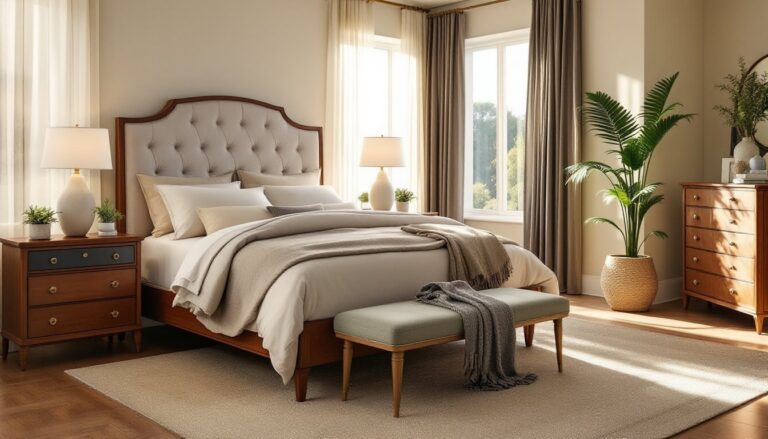
A dresser serves double duty: storage and visual balance. A standard dresser (36–48 inches wide, 30–36 inches tall) anchors a wall opposite the bed and provides essential drawer space without dominating the room. Pair it with a matching nightstand, height should align roughly with mattress level, typically 24–28 inches, so bedside lamps sit at eye level when sitting up. These three pieces alone create a cohesive, functional space.
Beyond the core trio, consider a chest of drawers or armoire if closet space is tight. A wooden bench at the foot of the bed adds seating and textile storage without eating floor space. When sourcing wood bedroom furniture sets from retailers, verify that accompanying pieces share the same wood species and finish: mixing cherry bed with oak dresser creates visual discord, even if both are quality pieces. A unified set ensures the room reads as intentional rather than assembled randomly.
Design Styles And How To Match Your Bedroom Aesthetic
Wooden furniture’s versatility shines when paired thoughtfully with your bedroom’s overall design language. The wood tone, light, medium, or dark, sets the mood. Light woods like ash or maple feel airy and pair well with whites, soft blues, and Scandinavian minimalism. Medium tones like cherry work in transitional or eclectic spaces. Dark walnut creates dramatic, moody retreats and pairs with jewel tones, deep greens, and traditional décor.
Your finish choice matters equally. A matte or low-sheen lacquer emphasizes natural grain and suits rustic or modern spaces. A high-gloss polyurethane lends formality and works in traditional or art deco schemes. Hand-rubbed or distressed finishes, where the surface is intentionally aged, bridge rustic and contemporary sensibilities and forgive everyday wear.
From Rustic Charm To Modern Minimalism
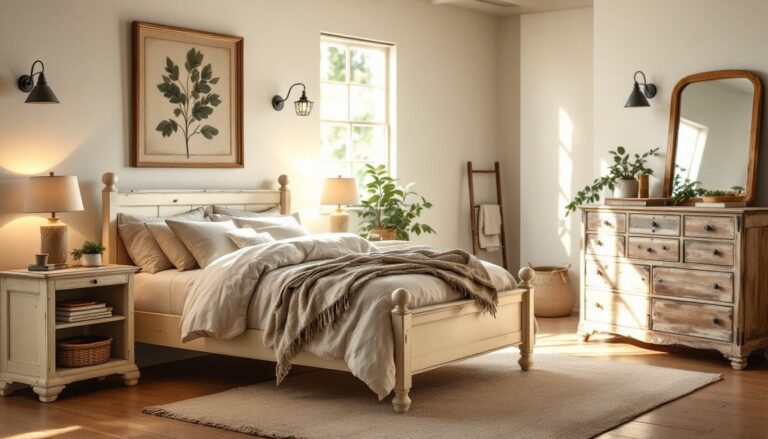
Rustic wooden bedroom furniture features chunky proportions, visible wood grain, and often hand-hewn or distressed details. Mission oak or hand-peeled log styles anchor farmhouse, cottage, or lodge aesthetics. Pair rustic pieces with wrought-iron hardware, wool textiles, and warm lighting to amplify the cozy vibe. A rustic wood dresser looks at home next to exposed beams or shiplap walls.
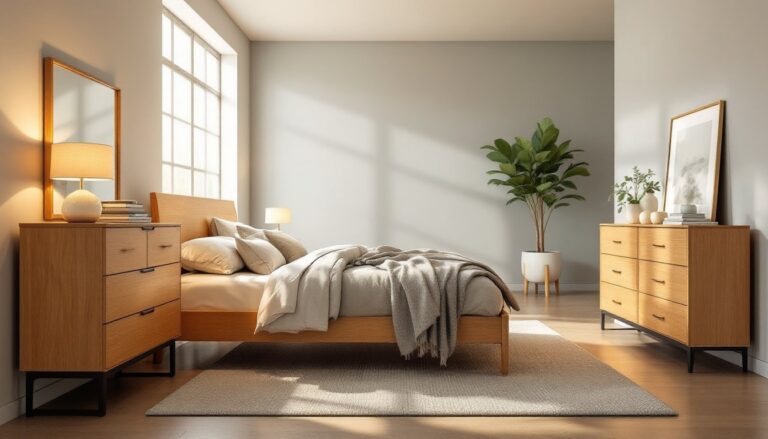
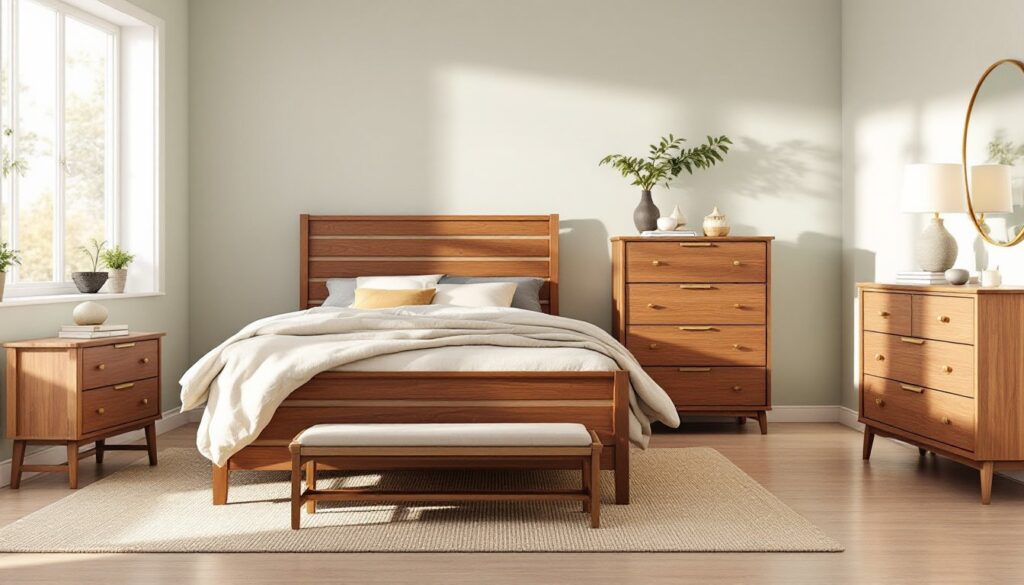
Modern minimalism strips wood furniture to clean lines, tapered legs, and minimal ornamentation. Scandinavian-inspired designs in light walnut or blonde ash emphasize function: drawers glide smoothly, surfaces stay clear, and wood grain becomes the visual interest. These pieces work in small bedrooms because they don’t visually overwhelm: a slim walnut bed frame and low-profile dresser suit tight spaces better than ornate pieces. Woodley Furniture exemplifies how contemporary designs in solid wood maintain elegance without excess. Contemporary styles in pale or medium tones pair beautifully with neutral walls, minimalist hardware, and plenty of breathing room. The sweet spot is honesty: let the wood speak, and let the design express function without fussy details.
Care And Maintenance Tips For Long-Lasting Beauty
Wood furniture demands respect, but the work is straightforward. Dust regularly with a microfiber cloth, dust scratches when ground underfoot, so don’t let it accumulate on surfaces. Vacuum under and around pieces monthly to prevent dust buildup that ages finishes prematurely.
Moisture is wood’s arch-enemy. Keep bedroom humidity between 30–50% using a humidifier in winter or dehumidifier in summer. Rapid humidity swings cause wood to expand and contract, leading to cupping (edges curl up) or joint separation. Never place wooden nightstands or dressers directly against exterior walls in cold climates: the temperature differential invites condensation. Allow 6 inches of clearance for air circulation.
Address spills immediately. Water left on wood for hours can leave permanent white marks as moisture seeps through the finish. Blot, don’t wipe, and dry with a clean cloth. For stubborn water rings, a light sanding with 220-grit sandpaper followed by touch-up finish (matching the existing stain and polyurethane) restores the surface. For deeper scratches or dents, wood filler matched to the species covers minor damage: severe gouges require professional refinishing.
Refinishing becomes necessary every 8–15 years depending on traffic and finish type. A matte lacquer fades and gets dull faster than polyurethane: plan accordingly. When you’re ready to tackle refinishing, Fix This Build That offers detailed process guides. Sand progressively from 80-grit (remove old finish) through 220-grit (final smoothing), apply matching stain if needed, and seal with polyurethane or lacquer in thin, even coats. This investment, a weekend’s work and $50–$150 in materials, extends a quality wooden furniture set’s life another 15 years. Cheaper alternatives eventually end up in landfills: solid wood pieces deserve the effort.